
When you step into the world of sensual photography, the magic often lies in the nuances that most people overlook. In Manyatta, a vibrant community nestled among the rolling hills of Embu County, those subtleties become even more pronounced. From the golden hue of early morning light spilling over the tea farms of Embu West to the muted shadows that linger in the evening markets of Kianjokoma, every element can either elevate a photo into a work of art or leave it feeling flat.
Understanding the Local Light Palette
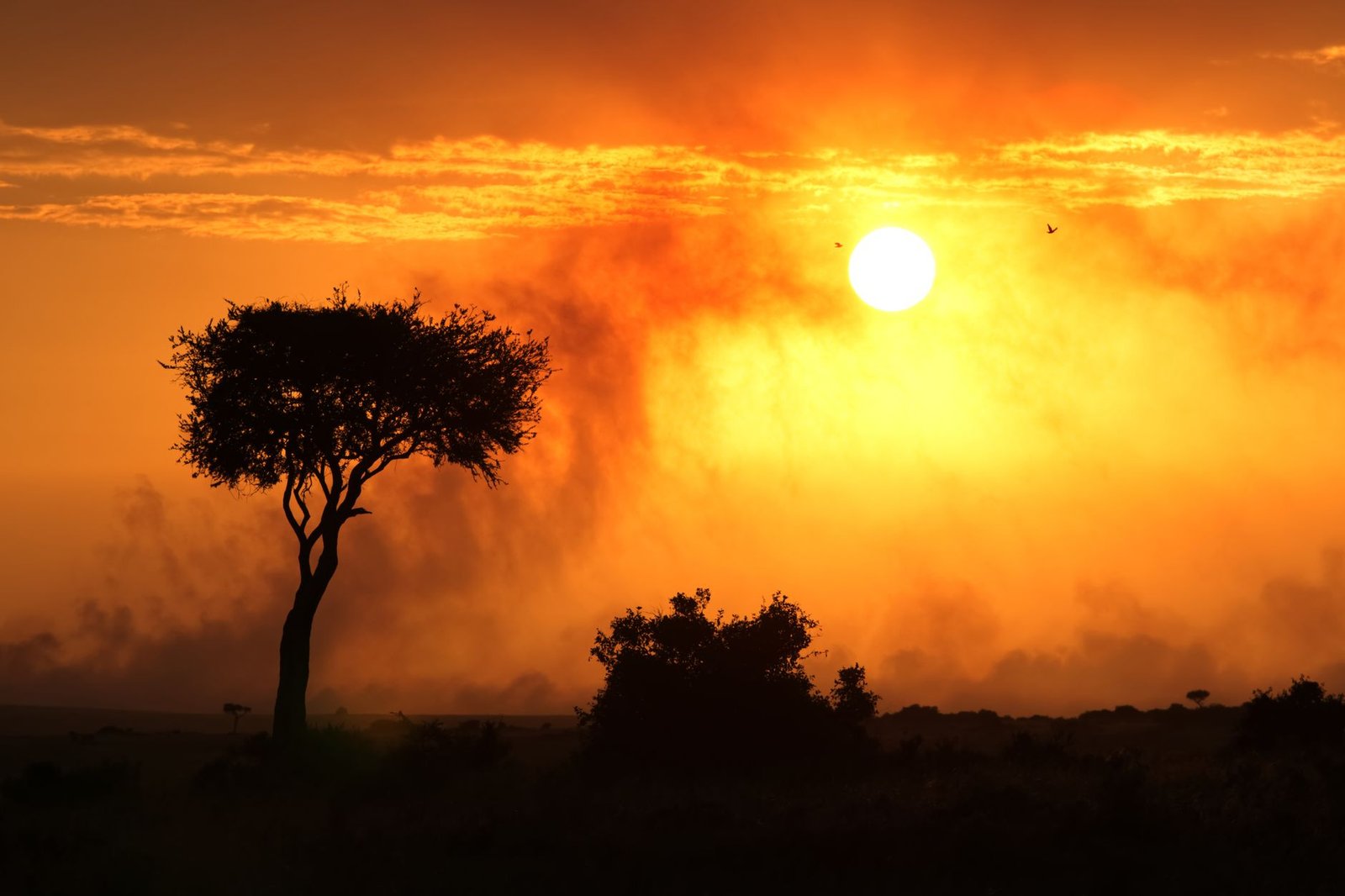
Manyatta enjoys a climate that offers a wide range of natural lighting conditions throughout the year. During the dry season, the sun rises over the highlands of Gachoka, casting a warm, amber glow that is perfect for highlighting skin tones without the need for heavy post‑processing. Photographers who shoot in the early hours—around 6 a.m. to 8 a.m.—can capture that soft, diffused light that gently wraps around the subject, reducing harsh shadows and giving the skin a natural, healthy sheen.
Conversely, the monsoon months bring a softer, overcast light that is ideal for creating moody, intimate portraits. The clouds act as a giant diffuser, allowing you to experiment with lower ISO settings while maintaining detail in both highlights and shadows. In places like Ishiara, where the canopy of eucalyptus trees creates pockets of shade, you can position your model to make use of the dappled light, adding depth and texture to the composition.
Choosing the Right Backdrop: From Rural Charm to Urban Edge
One of the most compelling aspects of shooting in Manyatta is the variety of backdrops that lie just a short drive away. A short ride north to Embu North brings you to the bustling market square, where colorful stalls and the rhythmic chatter of vendors provide a lively, authentic backdrop. The vibrant fabrics and local produce add splashes of color that can complement a model’s outfit, creating a visual dialogue between the subject and the environment.
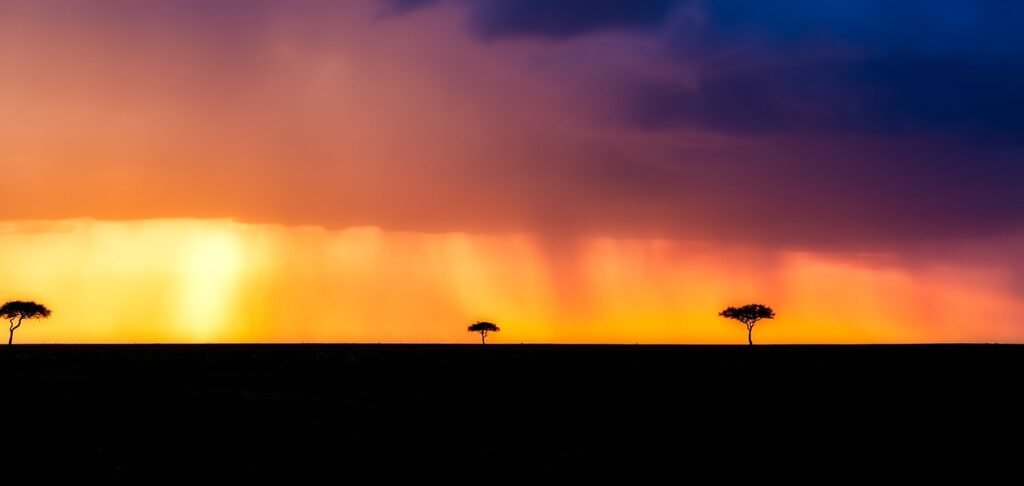
If you prefer a more tranquil setting, head east toward Mbeere South where the expansive savanna meets the distant silhouette of the Taita Hills. The open landscape offers a minimalist canvas that emphasizes the subject’s form, allowing the viewer’s eye to focus on the subtle curves and expressions that define a sexy photograph. For a touch of rustic elegance, the stone walls of traditional homesteads in Kanyuambora serve as a timeless backdrop, echoing the classic portraiture of earlier eras while still feeling fresh and relevant.
When selecting a location, consider the story you want to tell. A bustling street in Embu West can convey confidence and urban flair, while a quiet tea plantation near Kevote can evoke serenity and intimacy. The key is to match the mood of the setting with the emotion you want the viewer to feel.
Wardrobe and Styling: Respecting Culture While Embracing Sensuality
Manyatta’s cultural tapestry is woven with vibrant patterns, traditional fabrics, and modern influences. Incorporating locally sourced textiles—such as the hand‑woven kanga or the intricate beaded accessories from Kiritiri—adds authenticity and depth to your images. However, it’s essential to strike a balance between cultural respect and the sensual aesthetic you aim to achieve.
For a tasteful yet alluring look, consider layering a sheer, earth‑toned shawl over a fitted dress that hints at the body’s contours without revealing too much. This approach honors the modesty prevalent in many Kenyan communities while still delivering the allure that defines a sexy photo. In areas like Mbeere North, where traditional attire is still celebrated during community events, you can collaborate with local designers to create custom pieces that blend modern silhouettes with classic prints.
Accessories play a pivotal role in adding intrigue. A simple gold anklet from a craftsman in Embu East can catch the light beautifully, drawing attention to the model’s movement. Similarly, a delicate headpiece inspired by the Maasai beadwork found in Kianjokoma can serve as a focal point, guiding the viewer’s gaze and adding a layer of cultural richness.
Technical Settings That Enhance Sensuality
While artistic vision drives the concept, mastering the technical side ensures that vision translates into a high‑quality image. For most outdoor shoots in Manyatta, a focal length between 85mm and 135mm on a full‑frame camera provides flattering compression, smoothing skin tones and emphasizing the subject’s eyes. If you’re using a crop‑sensor body, consider a 50mm to 85mm lens to achieve a similar effect.
Aperture choice is crucial. Shooting wide open at f/1.8 or f/2.0 creates a shallow depth of field that isolates the model from the background, turning busy streets or lush fields into creamy bokeh. This technique works especially well in locations like the open fields of Mbeere South, where the distant horizon can be softened, keeping the focus squarely on the subject.
When dealing with bright sunlight—common in the afternoons of Embu West—use a neutral density (ND) filter to maintain a wide aperture without overexposing the image. Pair this with a low ISO (100–200) to preserve detail and minimize grain, ensuring the final photo feels crisp and polished.
Posing with Purpose: Subtle Moves That Speak Volumes
Posing for sensual photography is an art of suggestion rather than explicitness. Encourage your model to engage in micro‑expressions—soft glances, a gentle tilt of the head, or a relaxed hand resting lightly on a hip. These small gestures convey confidence and intimacy without resorting to overt displays.
In Manyatta’s open spaces, you can incorporate natural elements into the pose. A model leaning against a weathered wooden fence in Gachoka, or gently brushing a strand of hair away while standing in a field of wildflowers near Kanyuambora, adds a narrative layer that feels organic. The environment becomes a silent participant, enhancing the overall mood.
When shooting in tighter urban settings like the market lanes of Embu North, use the architecture to frame the model. A doorway or an archway can act as a natural vignette, guiding the viewer’s eye toward the subject while adding depth. Encourage the model to interact with the surroundings—perhaps resting a hand on a market stall’s edge or stepping through a doorway—creating a dynamic composition that feels lived‑in.
Post‑Processing: Enhancing the Mood Without Over‑Editing
After the shoot, the editing phase should amplify the story you set out to tell, not rewrite it. Start with a gentle color correction to balance the warm tones of a sunrise in Embu West or the cooler blues of an overcast day in Ishiara. Use a subtle split‑toning technique—warm highlights with cool shadows—to add depth and a slight cinematic feel.
Skin retouching should be minimal. Aim for a natural texture that retains the subject’s unique features. A light frequency separation can smooth minor imperfections while preserving pores and fine details, ensuring the final image feels authentic.
Finally, consider adding a vignette that draws the eye inward, especially for images taken in expansive settings like Mbeere North’s savanna. This subtle darkening of the edges reinforces the intimacy of the portrait, making the viewer feel as though they are sharing a private moment with the subject.
Working With Local Talent: Photographers, Stylists, and Models
Manyatta’s creative community is growing, and collaborating with local talent can bring fresh perspectives to your work. Photographers based in Embu East often have an intimate understanding of the area’s lighting quirks and hidden locations that tourists might miss. Stylists from Kianjokoma are adept at blending contemporary fashion with traditional fabrics, creating looks that resonate both locally and internationally.
When hiring models, look for individuals who are comfortable expressing sensuality while respecting cultural boundaries. Many local models appreciate a collaborative approach, where they can contribute ideas about poses, wardrobe, and location choices. This partnership often results in images that feel genuine and empowering.
Don’t overlook the value of local makeup artists. Professionals from Kevote specialize in natural, dewy looks that complement the warm Kenyan skin tones, using locally sourced products that are both skin‑friendly and long‑lasting under the sun.
Legal and Ethical Considerations
While the focus of this article is on artistic details, it’s essential to remember the legal framework surrounding photography in Kenya. Always obtain written consent from models, especially when images may be shared publicly or used for commercial purposes. In community settings like the markets of Embu North, be mindful of by‑standers’ privacy—avoid capturing identifiable faces without permission.
Respect cultural sensitivities. In many Kenyan communities, public displays of affection are less common, and modesty is valued. Tailor your shoot to align with the comfort levels of both the model and the surrounding community. This respectful approach not only builds trust but also enriches the authenticity of your images.
Putting It All Together: A Sample Shoot Itinerary
To illustrate how these details converge, here’s a sample one‑day itinerary for a sensual photo session in Manyatta and its neighboring areas:
- 06:30 – Sunrise at Embu West tea fields: Capture soft, warm light on the model draped in a sheer shawl, using a wide aperture to create creamy bokeh.
- 09:00 – Market vibes in Embu North: Incorporate vibrant stalls and local fabrics as props; experiment with shallow depth of field to isolate the subject.
- 12:00 – Lunch break in Kianjokoma: Review images, adjust settings, and discuss wardrobe changes with the stylist.
- 14:00 – Afternoon shadows in Gachoka: Use the natural shade of eucalyptus trees for moody, contrast‑rich portraits.
- 16:30 – Golden hour in Mbeere South: Position the model against the savanna horizon, employing a low ISO and ND filter to maintain a wide aperture.
- 18:30 – Wrap‑up and backup: Transfer files, begin preliminary color grading, and note any location‑specific insights for future shoots.
This itinerary demonstrates how strategic timing, location selection, and technical choices intertwine to produce compelling, sensual images that feel both personal and rooted in Manyatta’s unique landscape.
Conclusion: The Power of Small Details
In the realm of sexy photography, the difference between a striking image and a forgettable one often hinges on the smallest decisions—light direction, a choice of fabric, a subtle pose, or the exact moment the sun kisses the horizon. By paying close attention to these details and leveraging the rich visual tapestry of Manyatta and its surrounding towns—Embu, Embu East, Embu North, Embu West, Gachoka, Ishiara, Kanyuambora, Kevote, Kianjokoma, Kiritiri, Mbeere North, and Mbeere South—you can craft photographs that resonate with authenticity, sensuality, and a deep sense of place.
Whether you are a seasoned professional or an enthusiastic hobbyist, embracing the local nuances will not only elevate your portfolio but also honor the community that provides such a vibrant backdrop for your art.