

Ruaka has experienced a remarkable transformation over the past decade. Once known primarily as a bustling roadside trading outpost on the edge of Limuru Road, it has steadily morphed into a vibrant satellite hub drawing residents from all walks of life. If you are planning to meet someone in Ruaka today—whether for a casual coffee, a romantic date, a networking session, or a quiet catch-up—you will notice a landscape that looks vastly different from how it did a few years ago. Yet, despite the rapid infrastructure growth, new commercial complexes, and shifting social habits, the core essence of human connection in the area remains grounded in community, accessibility, and local charm.
Understanding how social dynamics have evolved here requires looking at both physical development and the changing ways people coordinate their schedules. Gone are the days when meeting up meant relying solely on vague street-corner landmarks or navigating sporadic public transport timetables. Today, residents blend modern digital organization tools—such as scheduling web conferencing calls or setting up calendar reminders on Google Workspace—with the traditional desire to experience physical spaces firsthand. Whether you are coming from nearby residential pockets or coordinating across greater Kiambu County, the mechanics of getting together have become both faster and more structured.
The Physical and Economic Evolution of Ruaka
To appreciate how people meet in Ruaka, one must first examine the physical changes reshaping the neighborhood. Major commercial investments have altered the local skyline and pedestrian flow. For instance, banking institutions and retail centers have actively repositioned themselves to serve the surging economic demand; notable relocations, such as Equity Bank adjusting its branch footprints, highlight how financial and commercial services have decentralized to meet local needs more effectively. Similarly, commercial expansions stretch outward, influencing economic activity not just in the immediate core but also affecting commuting patterns from surrounding zones like Kabete, Banana Hill, and Gachie.
This commercial influx has introduced a wider array of social venues. Where residents once had a limited selection of local joints, they now enjoy a diverse mix of modern coffee shops, casual dining spots, and secure commercial plazas. These venues provide comfortable, well-lit environments that make first-time meetups, casual dates, and one-on-one networking considerably more appealing and secure. The built environment has shifted from rough-and-ready to polished and accessible, encouraging people to spend more time within the neighborhood rather than rushing straight into the central business district for every social engagement.
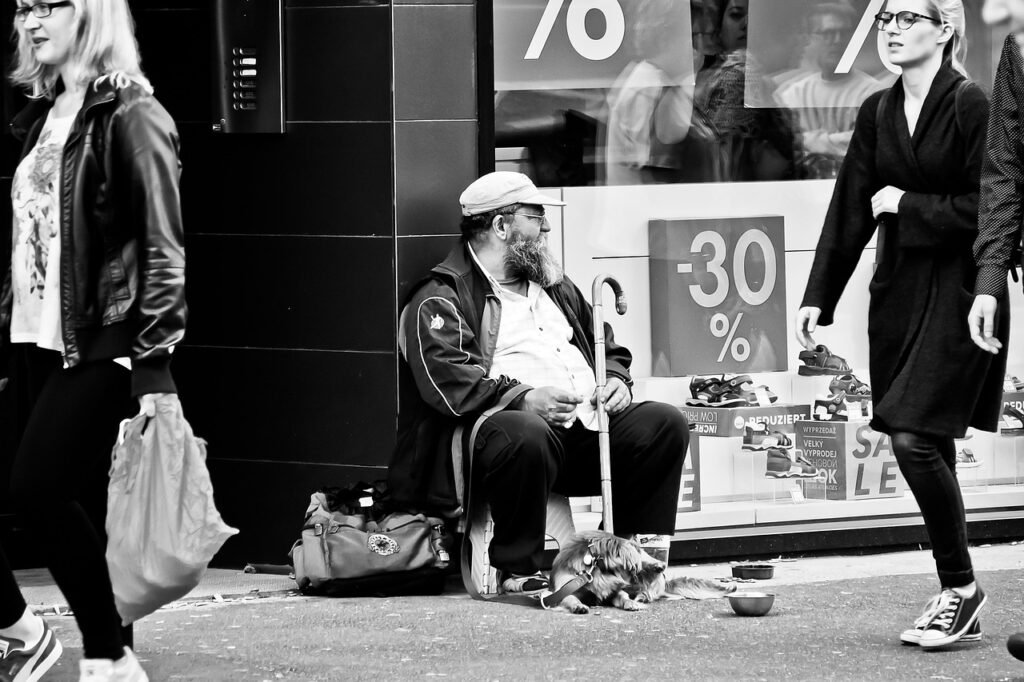
However, physical growth brings its own set of characteristic hurdles that have not changed entirely. Traffic congestion along the main transport arteries during peak hours remains a persistent reality. Anyone arranging a meetup must still account for the lively movement of matatus, pedestrian traffic, and delivery vehicles. Experienced locals know that timing is everything; scheduling an outing during off-peak hours or choosing a venue with ample parking can make the difference between a relaxing encounter and a stressful commute.
Expanding Horizons: Connecting Ruaka to Neighboring Hubs
Meeting in Ruaka rarely happens in an isolated vacuum. The neighborhood acts as a vital bridge connecting various parts of Kiambu County and beyond. When residents plan weekend outings or extended social calendars, their field of vision naturally expands to neighboring towns and regions. It is common for social circles to stretch toward Githunguri in the agricultural highlands, or dip southward toward urban extensions bordering Ruiru and Kahawa Sukari. This regional interconnectedness means that people meeting in Ruaka often come from diverse geographic backgrounds, bringing varied perspectives to local social spaces.
Moreover, commercial and social networks reach toward other vibrant nodes. Commuters and business professionals frequently bridge distances between Juja, Githurai, and Kamakis, creating a dynamic regional tapestry where ideas, relationships, and casual hookups continually cross-pollinate. For instance, structured professional mixers and upscale networking gatherings—similar to the corporate and affluent engagement series hosted by institutions like NCBA—frequently draw attendees from across these interconnected corridors, blending urban sophistication with local accessibility.
Even further out, the influence of surrounding administrative and economic zones such as Gatundu, Gatundu North, Gatundu South, and Gikambura feeds into the broader consumer and social base that visits Ruaka’s malls and entertainment spots. This regional mobility means that meeting someone in Ruaka often involves individuals who are well-traveled across the county, accustomed to navigating both bustling local markets and modern digital communication channels.
Navigating Modern Dating, Safety, and Digital Coordination
The methods people use to initiate contact have undergone a seismic shift. Online dating apps, social media platforms, and digital messaging have largely replaced traditional serendipity as the primary gateway for one-night stands, casual hookups, and romantic encounters. People no longer wait to bump into someone at a local market or church gathering; instead, they swipe, chat, and vet potential partners online long before stepping foot in a physical venue.

While this digital openness offers incredible convenience, it also underscores the enduring importance of personal safety and situational awareness. Law enforcement and community advisories frequently issue warnings regarding online dating scams and security risks associated with meeting unfamiliar individuals arranged through social media. Consequently, experienced locals emphasize smart safety practices: meeting in public, high-traffic commercial spaces rather than secluded locations, informing a friend of your whereabouts, and taking the time to verify who you are interacting with.
Interestingly, the boundary between digital and physical meetings has blurred entirely. Many professionals and social groups now use secure online web conferencing tools and virtual check-ins as a preliminary step before committing to an in-person date or meeting. Whether coordinating schedules via Google Calendar or touching base over a quick video call, technology serves as an initial filter. Yet, the physical reality of sitting across from someone in a bustling Ruaka cafe—sharing a meal, reading body language, and experiencing real-world chemistry—remains irreplaceable.
What Has Stayed the Same: The Human Element
Amidst all the concrete, digital apps, and shifting economic indicators, the fundamental human motivations behind meeting in Ruaka remain entirely unchanged. People still crave genuine connection, stimulating conversation, laughter, and romance. Whether two people connect over a shared background in local business, a mutual appreciation for neighborhood spots, or a spontaneous spark on a Friday night, the core desire for intimacy and community endures.
The neighborhood’s welcoming, unpretentious spirit persists beneath the modern facades. Longtime residents and newcomers alike continue to find common ground in local eateries, neighborhood walks, and casual social gatherings. The evolution of Ruaka is not about erasing its past, but rather about expanding its capacity to host richer, safer, and more diverse human experiences. By balancing modern digital caution with traditional hospitality, meeting in Ruaka remains an engaging and dynamic part of modern life.





No one commented yet. Be the first.