
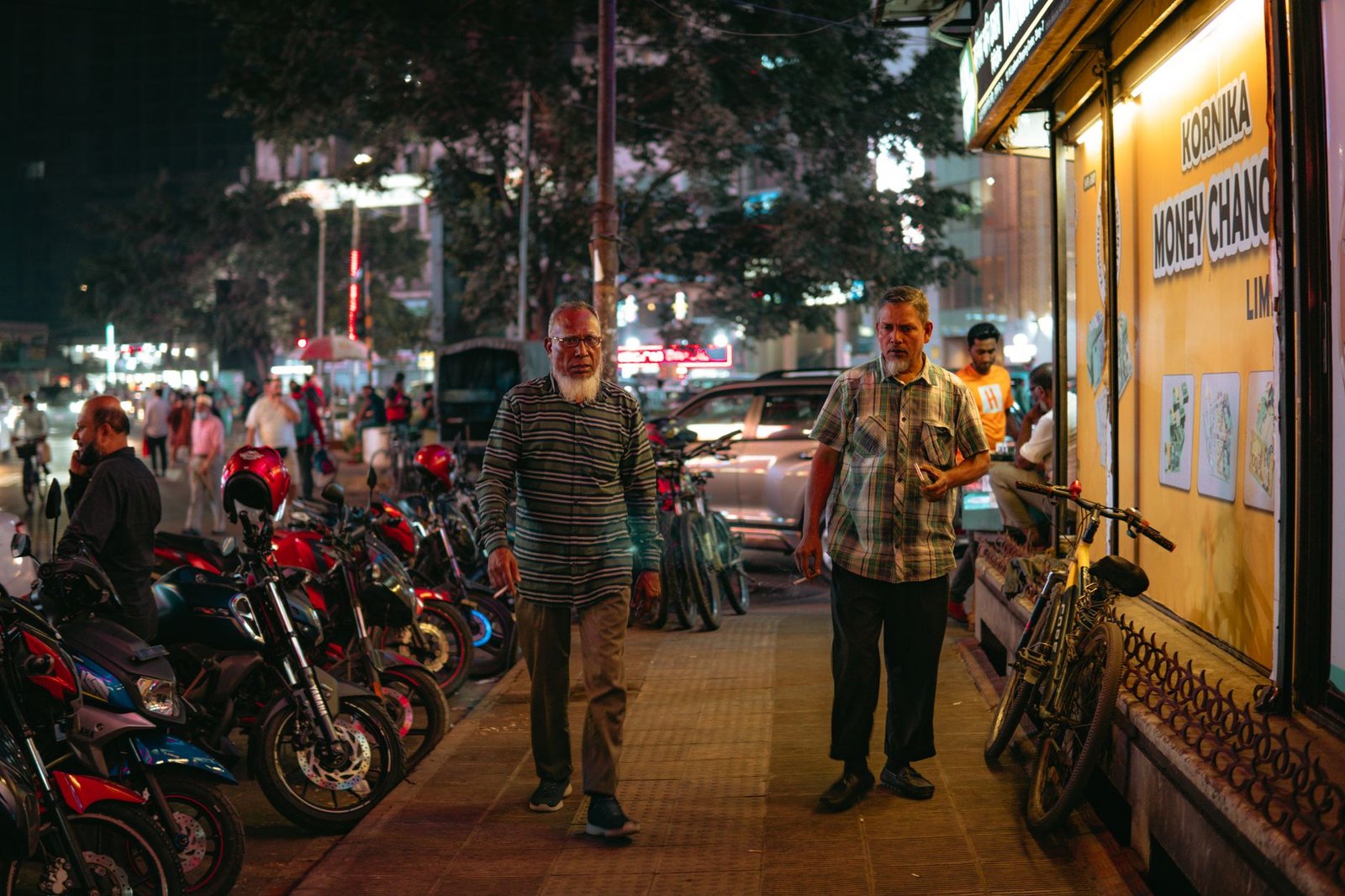
When the sun dips below the horizon in Changamwe, the atmosphere shifts dramatically. Streets that bustle with industrial activity, transport logistics, and daytime commerce during daylight hours give way to a distinct, energetic after-dark ecosystem. For the uninitiated, navigating this vibrant scene can feel like trying to solve a puzzle without all the pieces. First-timers often rely on generic online lists or broad regional advice, only to find themselves wandering into venues that do not match their mood, or worse, missing out on the genuine hidden gems that define the local pulse. This is precisely why local knowledge is not just a nice-to-have advantage when exploring Changamwe’s night life—it is an absolute necessity.
Understanding the layout, the rhythm, and the unspoken customs of Changamwe requires more than a casual glance at a map. It demands an appreciation of how the area connects with its bustling neighbors across the wider coastal landscape. From the heavy transit corridors touching Miritini to the industrial hum bordering Mikindani, the after-dark scene here is heavily shaped by its geography and its working-class roots. If you treat an evening out here the same way you would approach a sterile, high-end tourist district in Mombasa CBD or along the beachfront in Bamburi, you are bound to miss the authentic character that makes evenings in this western corridor so rewarding.
Decoding the Geography: Beyond the Main Roads
Changamwe is a strategic gateway, anchored by major transport routes that funnel people in and out of the heart of the coast. But when the clock strikes evening, the main arteries tell only half the story. To truly experience the night life here, you need to understand how movement flows between neighboring zones. A night out might begin with a quiet drink near the borders of Jomvu, where neighborhood lounges offer a relaxed, conversational atmosphere before the late-night crowds start shifting.
Experienced patrons know that timing is everything. Unlike coastal tourist hubs like Mtwapa or Mtwapa Road, where venues cater heavily to weekend holidaymakers and operate on a non-stop resort clock, Changamwe’s night life is deeply tied to the rhythm of its residents. Shifts change, transport hubs quiet down, and local spots come alive in waves. Knowing which pocket to visit at 8:00 PM versus midnight separates the seasoned local from the confused wanderer. For instance, heading too early to certain spots near the transport junctions means walking into empty rooms, while arriving late at popular neighborhood grills means missing out on the best food offerings of the evening.
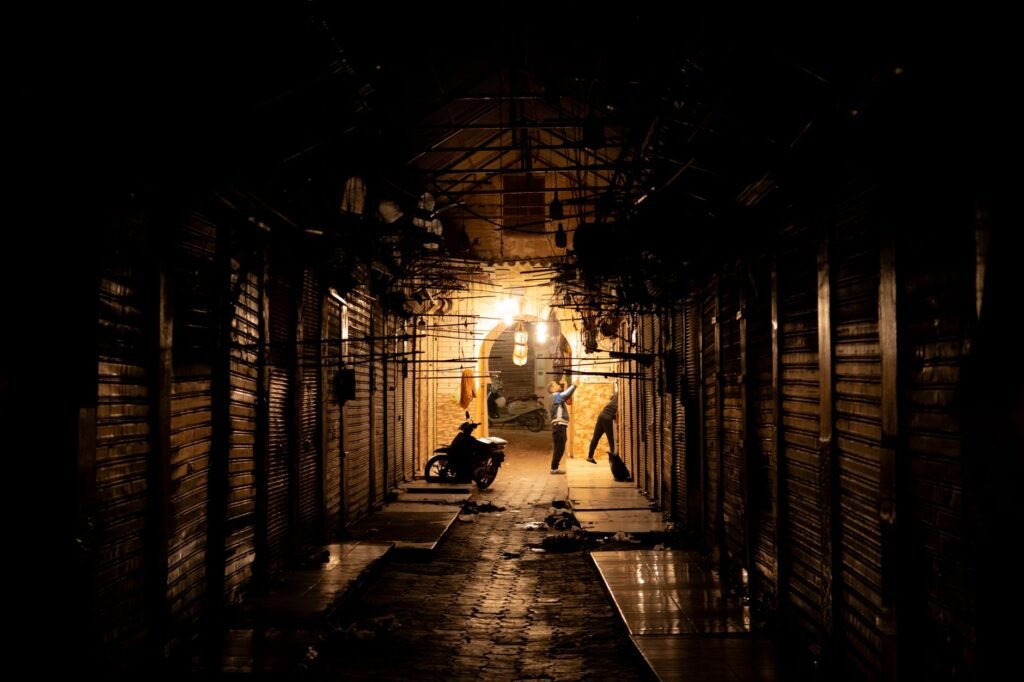
Furthermore, local insight helps you bridge the gap between different neighborhoods without running into logistical hurdles. Someone equipped with proper local awareness knows how to transition smoothly from an evening meal in Kongowea or a quick transit stop through Buxton over toward the vibrant social spots nestled within Changamwe. They understand which routes remain lively and secure late at night, and which shortcuts to avoid when public transport options begin to thin out.
The Social Tapestry: Where Community Meets Entertainment
Another vital dimension of night life in Changamwe is the social fabric. Across Kenya’s urban centers, evening entertainment is rarely just about loud music and dim lights; it is deeply communal. Whether it is structured match-making gatherings that bring singles together or casual weekend meetups at neighborhood watering holes, social connection is at the heart of the experience. Without local guidance, a visitor might walk into a venue and misread the room entirely.
In Changamwe, socializing often revolves around specific neighborhood spots where regulars gather nightly. These are not anonymous mega-clubs where you lose yourself in a massive sea of strangers. Instead, they are intimate, community-driven spaces where the bartenders know their patrons by name, and football matches broadcast on glowing screens spark friendly debates across tables. Understanding local etiquette—such as how to approach crowded seating arrangements, how to order local grilled specialties, and how to respect the unwritten rules of community spaces—ensures a welcoming experience.
Contrast this with the sprawling density of areas like Kisauni or the bustling nightlife strips found further down towards Likoni. Each of these zones has its own distinct personality, pricing structures, and crowd dynamics. A mistake many newcomers make is assuming that nightlife rules are uniform across the county. Local knowledge acts as an internal compass, telling you whether a particular venue on a side street is a laid-back local pub, a lively dance spot, or a private members’ club.
Practical Tips for Navigating the Night Scene
Acquiring local knowledge does not happen overnight, but a few foundational rules can help anyone bridge the gap. First, rely on recommendations from trusted residents rather than flashy online advertisements. The best spots in Changamwe often rely on word-of-mouth reputation rather than aggressive digital marketing. Second, pay attention to logistics. Knowing how to secure reliable transport back home—whether by booking trusted local taxi services or coordinating with familiar neighborhood drivers—is essential before heading out.
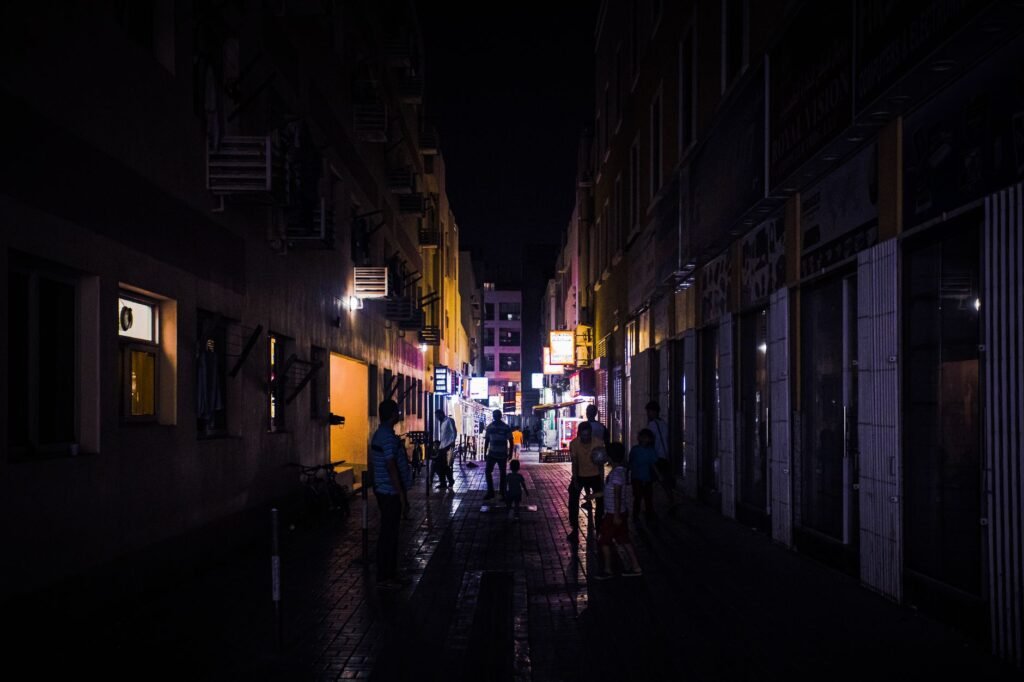
It is also wise to keep safety and comfort in mind. While Changamwe’s social spaces are generally welcoming and vibrant, walking blindly into unfamiliar, poorly lit backstreets late at night is never a good idea. Local knowledge teaches you the well-lit paths, the most reliable entry and exit points for popular lounges, and the establishments that maintain high standards of security and hospitality.
Ultimately, experiencing night life in Changamwe with proper local insight transforms a standard evening out into a genuine cultural immersion. By respecting the area’s working roots, understanding its geographical ties to neighboring commercial hubs, and appreciating the community-first approach of local patrons, you unlock an authentic side of the coast that casual visitors rarely get to see.
Explore locally





No one commented yet. Be the first.