

When exploring the fundamental aspects of human biology, identity, and social dynamics, many people find themselves asking nuanced questions about what it means to be female. From the biological mechanisms of sexual reproduction and the genetic blueprint of sex chromosomes to the complex web of social roles, cultural expectations, and community life, the topic encompasses a broad spectrum of human experience. Within vibrant neighborhoods like Kileleshwa, these conversations take on a distinct local texture, intersecting with daily life, urban development, and the unique rhythms of metropolitan living across various districts.
To fully appreciate these inquiries, it is helpful to examine both the foundational science and the everyday realities that shape lives in the region. Whether people are curious about the broader definitions found in biology and botany—such as the production of larger gametes, egg cells, and the roles seen in seed plants—or they are reflecting on human anatomical structures like the reproductive system and mammary glands, clear and accurate information remains essential. Furthermore, looking at how these themes play out across different communities, from the upscale avenues of Westlands to the bustling commercial hubs of the Central Business District (CBD), provides a richer context for understanding identity in modern society.
Biological Foundations: What Defines the Female Sex?
At a fundamental biological level across many living organisms, sex is defined by the type of gametes an individual produces. In biological terms, an organism is classified as female if it produces the ovum, or egg cell. This represents the larger gamete involved in sexual reproduction, which fuses with the smaller male gamete, or sperm cell, during fertilization. This core definition extends far beyond the animal kingdom into botany as well, where seed plants and their reproductive structures are similarly categorized based on whether they produce elements requiring fertilization or yield seeds directly.
In human biology and among most mammals, this classification is mirrored by specific genetic and anatomical markers. Human females typically possess two X chromosomes, differentiating them genetically from individuals with an X and a Y chromosome. The process of sex differentiation during fetal development is governed by the absence of a functioning SRY gene. Anatomically, human sexual dimorphism includes the female reproductive system, featuring organs such as the ovaries, fallopian tubes, uterus, vagina, and vulva, alongside the presence of mammary glands. These biological traits form the foundational baseline from which broader developmental, medical, and personal discussions emerge.
Social Identity, Terminology, and Cultural Roles
Beyond strict biological definitions, language and social identity carry immense weight in how people understand gender and womanhood. Before reaching adulthood, a female child or adolescent is commonly referred to as a girl. As individuals mature, they enter adulthood, where the term woman is applied to adult female humans. Etymologically, the word female traces its history back through Middle English and Old French to the Latin term *fēmina*, meaning a woman, highlighting a deep linguistic heritage that separates the descriptor from terms historically built upon different roots.
Societal expectations, cultural roles, and individual gender identities also interact with these biological and linguistic categories in complex ways. Gender identity often corresponds to a variable and rich set of social roles, traits, and behaviors assigned or chosen within a community. In busy urban and residential neighborhoods throughout the metropolitan area—ranging from the peaceful lanes of Kileleshwa to the lively commercial zones of Adams Arcade and the bustling markets of Eastleigh—people navigate these multifaceted identities every single day. Understanding how individuals perceive themselves and their place in society requires looking past simple definitions to embrace the full scope of human diversity.
Local Context: Navigating Life and Community Across the Region
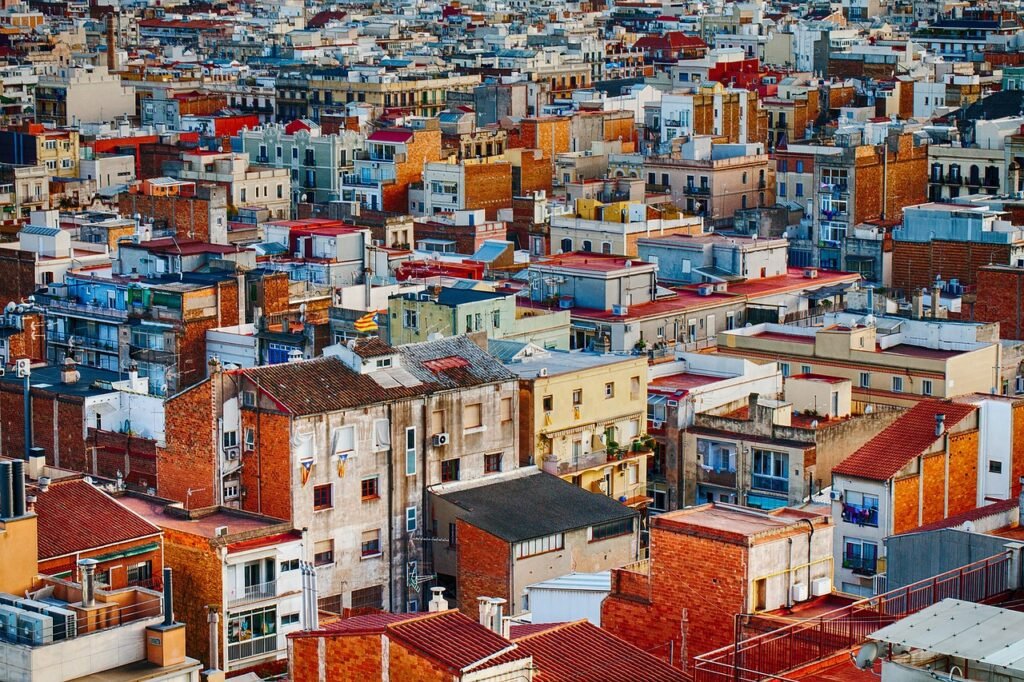
Life in Kileleshwa offers a unique vantage point for observing how community dynamics, professional pursuits, and personal lives intersect. Residents frequently move between different parts of the wider urban landscape, creating a dynamic environment where diverse perspectives meet. For instance, someone might live in the quiet leafy crescents of Kileleshwa, commute for work through the towering offices of the CBD, and spend their weekends visiting friends or shopping in vibrant areas like Westlands or Dagoretti.
This interconnected geography extends outward to numerous other local hubs. A typical week might involve running errands near the busy junctions of Buruburu and Donholm, catching up over coffee close to Embakasi or Fedha, or exploring the cultural markers found in neighborhoods like Dandora, Clay City, and Garden Estate. Each of these distinct areas contributes its own distinct flavor to the metropolitan tapestry. By recognizing how residents experience community life across these varied locales—from the established residential streets of Kileleshwa to the energetic commercial centers dotted across the city—we gain a much deeper appreciation for the diverse ways people live, work, and connect.
Explore locally





No one commented yet. Be the first.