
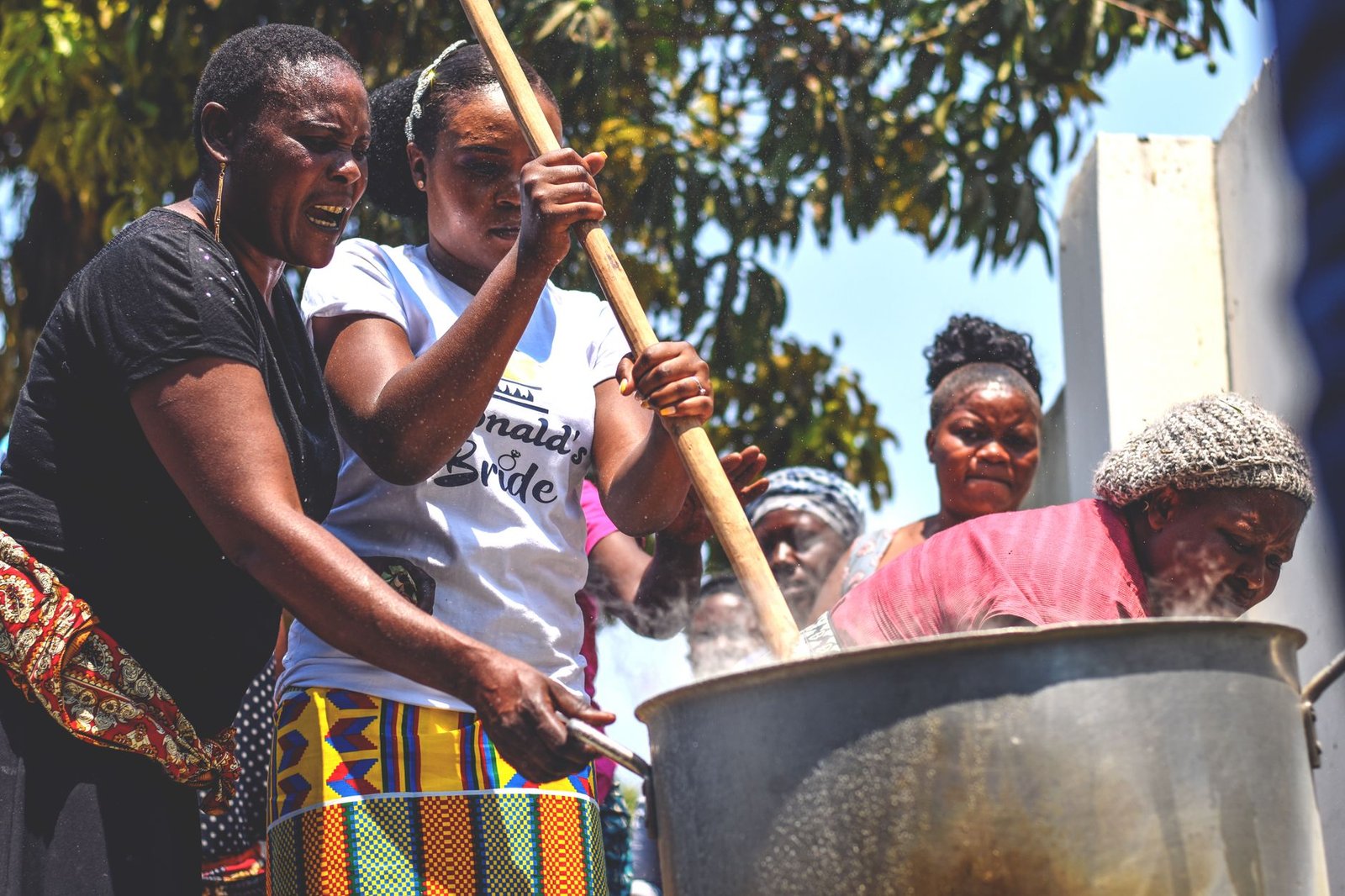
When exploring the evolving cultural and social landscapes of western Kenya, few neighborhoods display as much vibrant momentum as Mamboleo. Situated gracefully along the outskirts of the greater urban hub, Mamboleo is transitioning from a quiet, sprawling transitional zone into a bustling epicenter of community life, economic ambition, and social transformation. At the heart of this shift is a profound evolution in how female residents—spanning diverse generations, professional paths, and personal backgrounds—are reshaping daily existence, redefining social boundaries, and stepping into prominent leadership roles. Understanding how the female experience is changing in Mamboleo requires looking past broad regional generalizations and observing the intimate, daily realities of women building futures in this dynamic corridor.
To fully appreciate the contemporary pulse of Mamboleo, one must also understand its deep interconnectedness with neighboring trading centers and residential zones. From the bustling market exchanges of Kisumu CBD and the dense administrative energy of Kisumu Central to the growing logistical pathways stretching toward Kibos and Kisumu East, female entrepreneurs, professionals, and community organizers are constantly moving across municipal borders. This regional mobility allows ideas, commerce, and social expectations to flow freely. Women in Mamboleo are not isolated; rather, they form a crucial node in a vast network that links urban centers with surrounding agricultural and peri-urban areas like Kombewa to the west, the lakeside serenity of Dunga, and the bustling transport hubs reaching out toward Ahero, Awasi, Chemelil, Katito, and the wider Kisumu county framework.
The Economic Revolution: Female Entrepreneurship and Independence
One of the most visible ways the female footprint is expanding across Mamboleo is through commerce and enterprise. Traditional economic models that confined women strictly to domestic spheres have steadily given way to dynamic, independent business ventures. Along the main roadways and within emerging neighborhood markets, women own and operate everything from retail shops and agribusiness supply stores to hospitality spots and service-oriented enterprises. This surge in financial independence mirrors broader shifts documented across the region, where grassroots economic participation is altering household dynamics and community decision-making structures.

This economic awakening does not happen in a vacuum. The commercial vitality of Mamboleo relies heavily on the continuous exchange of goods and services with nearby zones. A female trader sourcing fresh produce or dry goods often coordinates supply chains stretching from Ahero and Katito right up into the heart of Kisumu Central. Meanwhile, service providers and artisans frequently travel between Kibos and Mamboleo, establishing a resilient web of micro-economies. By taking charge of these commercial networks, female business owners in Mamboleo are securing financial autonomy, supporting extended families, and proving that grassroots enterprise is a primary engine of local development.
Redefining Social Roles, Identity, and Community Leadership
Beyond economics, the very definition of social identity and female representation is undergoing a steady transformation in Mamboleo. Historically, social roles were tightly bound to traditional expectations regarding family, domestic management, and community participation. Today, women in Mamboleo are actively broadening these boundaries. Female professionals, educators, health advocates, and civil society participants are challenging archaic limitations, embracing diverse career paths, and asserting their voices in public discourse.
This shift encompasses a multi-layered understanding of identity. From a biological standpoint, the human female reproductive system, genetic markers such as dual X chromosomes, and the physiological realities of health and wellness form the foundational baseline of human life. However, in the social and cultural sphere of Mamboleo, womanhood and female identity are continuously enacted through dynamic social roles, leadership qualities, and cultural contributions. Women are organizing self-help groups, spearheading neighborhood safety initiatives, and mentoring the younger generation of girls growing up in the area. These mentorship networks ensure that the aspirations cultivated in Mamboleo are passed down, creating a sustainable legacy of empowerment.
Infrastructure, Mobility, and Regional Connectivity
The daily reality of living, working, and moving through Mamboleo is also deeply tied to infrastructural developments that have transformed the wider region. Improved roadways, better transport connectivity, and enhanced public amenities have made it significantly easier for female commuters, traders, and professionals to navigate their daily routines. Whether a resident is traveling for work toward Kisumu East, visiting family near Kombewa, or heading into the commercial core of Kisumu CBD, reliable transit infrastructure reduces travel times and opens up new horizons of opportunity.

Furthermore, regional connectivity extends beyond asphalt and transport vehicles. Access to improved healthcare services, digital communication tools, and educational resources has empowered women to take control of their personal well-being and professional growth. As health initiatives and civic programs reach outward from central hubs into growing residential areas like Mamboleo, female residents are often the primary advocates and beneficiaries, ensuring that families and households receive vital support. The synergy between better infrastructure and female civic participation creates a virtuous cycle of neighborhood improvement.
Looking Forward: The Future of Female Empowerment in Mamboleo
As Mamboleo continues to expand, the trajectory of its female population points toward even greater influence and integration. The barriers that once kept women on the periphery of civic and economic life are steadily dissolving, replaced by a culture of mutual support, ambition, and resilience. From the bustling cross-border trade routes linking Chemelil and Awasi to the local neighborhood associations operating right here in Mamboleo, women are proving that they are the architects of modern community life.
Ultimately, the story of how female identity and influence are changing in Mamboleo is a testament to human adaptability and progress. By combining traditional strengths with modern economic opportunities, educational advancement, and regional solidarity, female residents are not merely adapting to change—they are actively driving it. For anyone observing the social evolution of western Kenya, Mamboleo stands out as a shining example of what happens when women are empowered to shape their own destiny, one community initiative and business venture at a time.