
Navigating life, social circles, and personal exploration as a female around Likoni requires a grounded understanding of the local landscape. From the bustling coastal pathways and residential clusters to the broader expanse of the coastal region stretching toward Mombasa, the environment offers a dynamic mix of community dynamics, cultural depth, and evolving opportunities. Understanding how social roles, personal identity, and community structures interact within these neighborhoods provides a meaningful starting point for anyone looking to engage deeply with the area.
When examining what it means to be female within this coastal corridor, the conversation naturally encompasses both biological foundations and the rich tapestry of social and cultural expressions. Human sexual dimorphism, genetic frameworks involving two X chromosomes, and the natural development of the human female reproductive system—including the ovaries, uterus, and associated biological traits—form the baseline of human physiology. Yet, in daily life, these biological factors intersect with complex social roles, community expectations, and individual autonomy. Whether tracing the historical roots of the terminology or looking at contemporary identity, the lived experience of women and girls in coastal regions is multifaceted, shaped by tradition yet responsive to modern changes.
Mapping the Local Terrain: From Likoni Outward
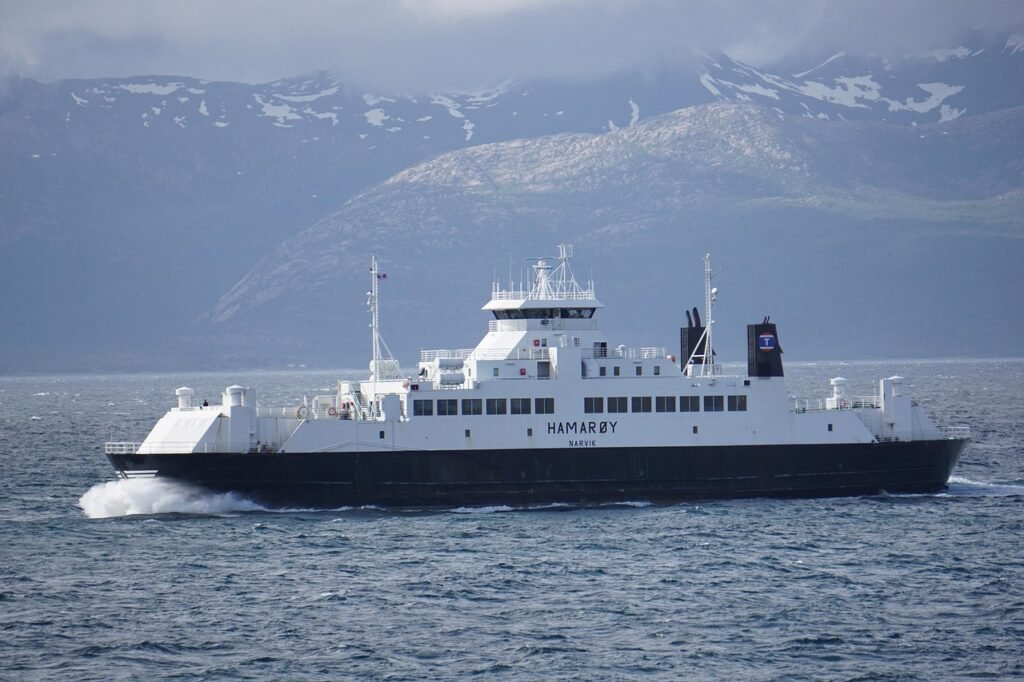
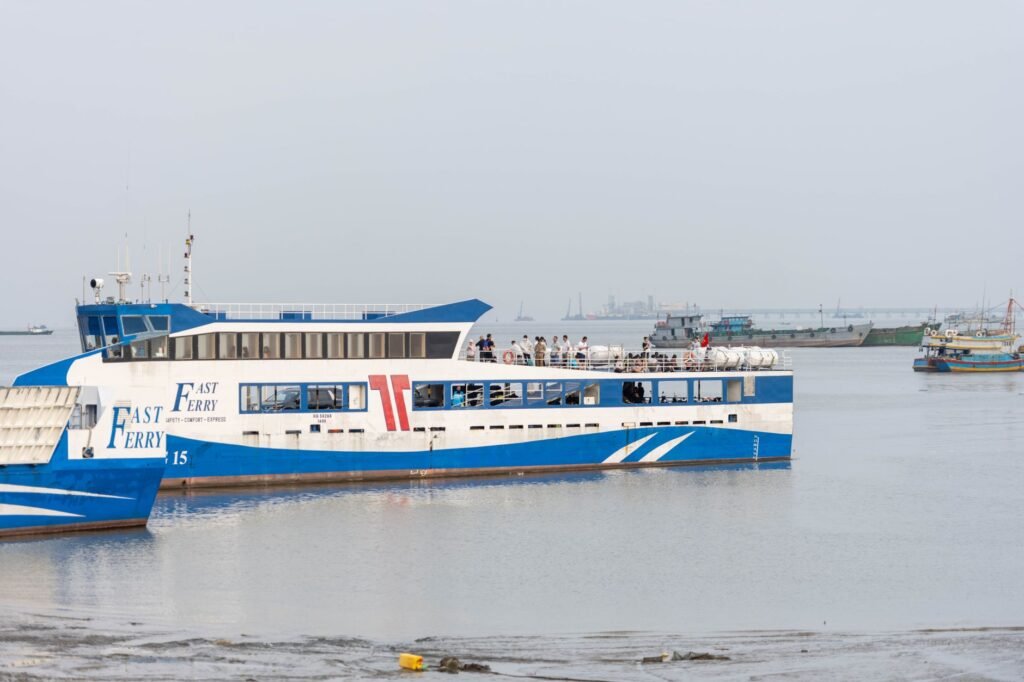
Getting your bearings around Likoni involves looking closely at how neighborhoods connect across the water and inland. The iconic Likoni Ferry crossing serves as a vital artery, linking the southern mainland directly to Mombasa CBD. Stepping off the ferry opens up a densely populated, lively network of local commerce, residential quarters, and social hubs. For women establishing businesses, building social connections, or simply seeking new environments, understanding these geographic touchpoints is essential.
Expanding the horizon beyond the immediate ferry terminal reveals a rich web of surrounding areas, each with its own distinct character. Heading north or branching out across the region brings you into contact with bustling commercial zones and quieter residential enclaves alike. For instance, commercial activity in places like Kongowea offers vibrant markets and trade opportunities, while neighborhoods such as Kisauni and Changamwe provide diverse residential settings where communities gather, work, and socialize. Further along the transport arteries, areas like Bamburi and Mtwapa present lively coastal atmospheres, popular for leisure, dining, and social networking, while interior links like Jomvu, Miritini, and Mikindani offer a different pace of life rooted in residential stability and growing local enterprise.
Social Dynamics, Community Roles, and Personal Growth
Life as a female in these coastal neighborhoods is deeply influenced by community structures. From the early stages of childhood and adolescence—where girls navigate local schooling and peer groups—to adulthood, social expectations play a significant role in daily routines. Women across the region balance traditional community values with contemporary aspirations, participating actively in local economies, family leadership, and grassroots organizations.
For those looking to start a new chapter, build a career, or find community groups, knowing where to plug in makes all the difference. Collaborative women-led groups, local market associations, and community outreach programs provide robust networks of support. Whether engaging in small-scale commerce inspired by the bustling trade culture seen across Mombasa or participating in local leadership initiatives, women find numerous avenues to establish independence and foster meaningful connections.
Practical Steps for Getting Started in the Region
If you are newly arriving in Likoni or transitioning from nearby districts like Buxton or Mtwapa Road, finding your footing requires a blend of practical street smarts and community engagement. Here are a few foundational steps to help you start:
- Familiarize Yourself with Transport Routes: Master the ferry schedules and local matatu routes connecting Likoni to Mombasa CBD, Changamwe, and beyond. Reliable mobility is the key to exploring work and social opportunities.
- Identify Community Hubs: Seek out local women’s groups, cultural centers, and active neighborhood associations where you can meet peers and build a trusted local network.
- Explore Economic and Educational Avenues: Look into local enterprise training, digital literacy programs, and marketplace spaces—whether you are eyeing trade opportunities in Kongowea or professional roles closer to the city center.
- Prioritize Safety and Awareness: Like any bustling urban and coastal corridor, maintaining situational awareness, especially during late-night transit across terminals, is essential for a smooth and secure daily routine.
Ultimately, starting fresh or deepening your roots as a female around Likoni is an organic process of discovery. By respecting local cultural nuances, leveraging the proximity to vibrant hubs like Mombasa CBD, Bamburi, and Kisauni, and actively engaging with community networks, you can carve out a fulfilling, connected path in one of Kenya’s most dynamic coastal regions.





No one commented yet. Be the first.