
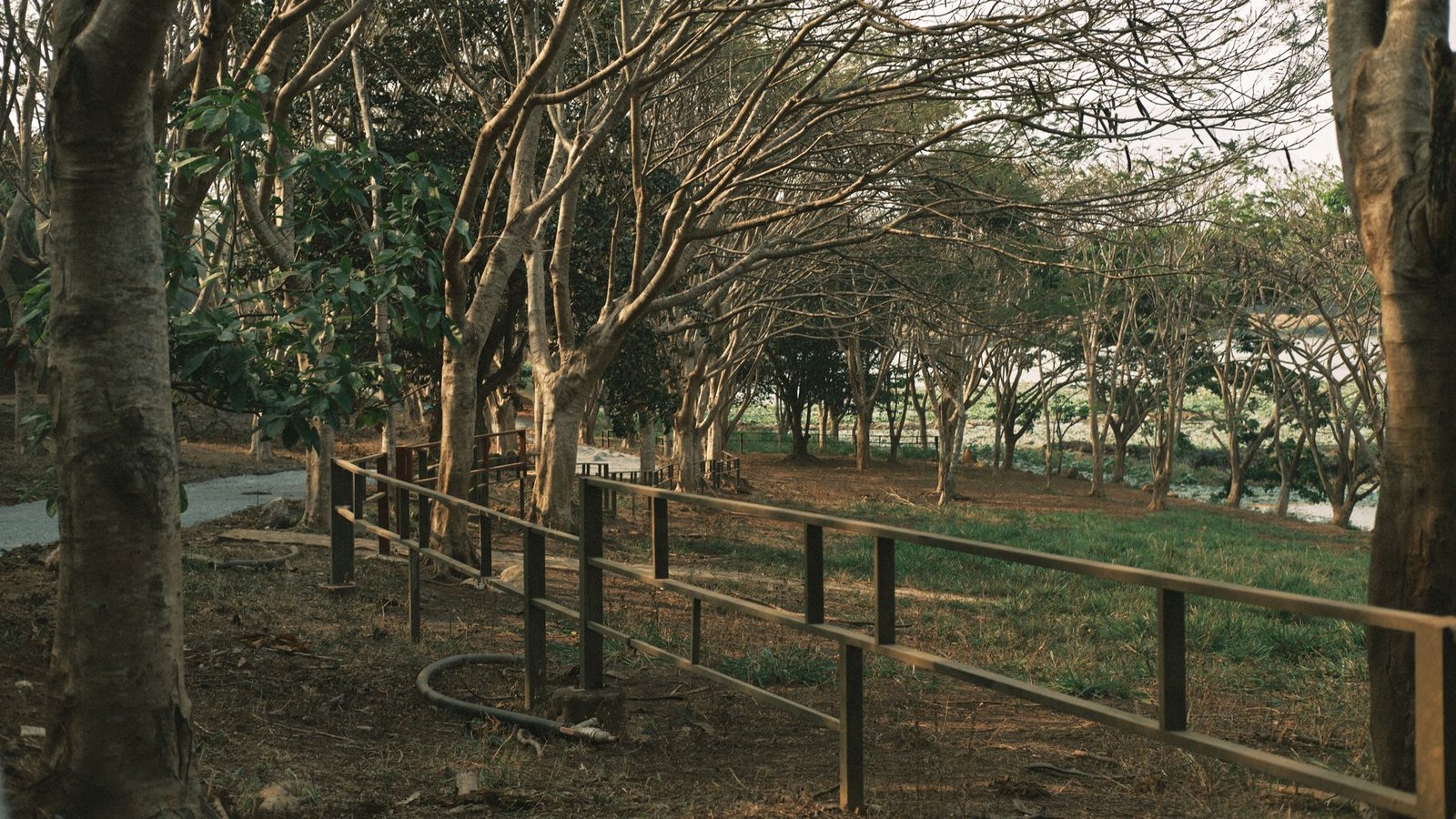
When exploring the vibrant urban landscape of Nairobi, certain neighborhoods carry a distinct character that refuses to fade entirely, even as modernization reshapes the skyline. Parklands is one such area—a historic district known for its eclectic mix of residential calm, bustling commercial strips, and a deep-rooted sense of community. To truly understand what it feels like to live, work, or seek meaningful connections here, one must examine how time has transformed its streets while preserving its core identity. Across the broader metropolis, neighborhoods experience a constant ebb and flow of development, yet Parklands retains a specific rhythm that sets it apart from other commercial hubs.
Urban living in this part of the city involves navigating a delicate balance between old architecture and modern high-density developments. Over the years, the physical environment has evolved considerably. Traditional standalone family homes have increasingly made way for contemporary apartment complexes, shifting the population dynamics and bringing an influx of young professionals, couples, and independent residents looking for convenience close to the city center. This shift mirrors the rapid transformation seen in neighboring areas like Westlands and the bustling corridors of the CBD, where vertical growth and commercial expansion dictate the daily tempo. Yet, despite these construction booms and the occasional utility shifts managed by providers such as Kenya Power—which periodically schedules infrastructural maintenance across Nairobi—the day-to-day lifestyle in Parklands maintains a familiar, grounded charm.
The Social Landscape and Community Dynamics
Human experience is deeply tied to our surroundings, and the social fabric of Parklands has undergone subtle yet profound shifts. Social gatherings, dating patterns, and casual hookups or romantic pursuits are heavily influenced by the neighborhood’s physical layout. With its walkable streets, hidden dining spots, and proximity to major entertainment hubs, the area offers plenty of venues for spontaneous encounters, casual dates, and deeper romantic engagements. Unlike the heavy corporate feel of certain business districts, Parklands offers a more residential intimacy that makes it easier to transition from a casual coffee meetup to a relaxed evening walk.
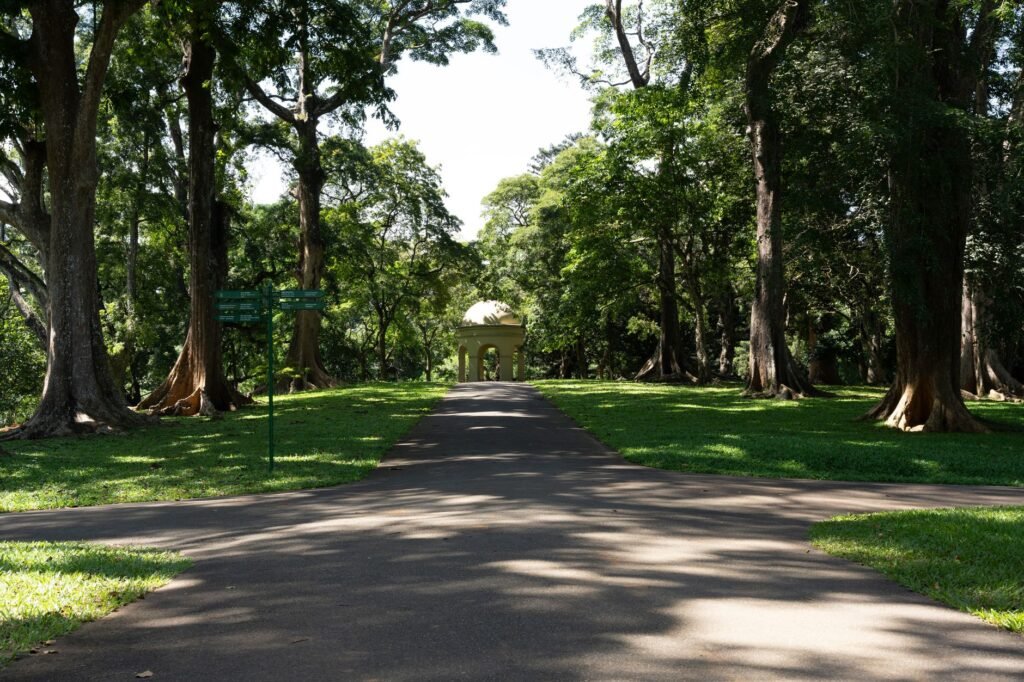
When compared to other local regions, the contrast is quite revealing. While areas like Eastleigh and Embakasi pulse with intense commercial trading and high-volume transit, and locations such as Buruburu or Donholm maintain tightly knit suburban residential cultures, Parklands occupies a unique middle ground. It blends cosmopolitan accessibility with a distinct neighborhood identity. Residents here often find themselves branching out to nearby entertainment and lifestyle zones like Garden Estate, Fedha, or Clay City for weekend recreation, yet they consistently return to the quiet familiarity of Parklands. This interconnected mobility across Nairobi means that residents are rarely isolated; they draw from a rich tapestry of experiences shared across different city zones.
What Has Remained Constant Through the Decades
While new businesses open, architectural styles shift, and seasonal weather patterns bring alternating periods of heavy rains and unusual cold as tracked by meteorological updates, the soul of Parklands remains anchored in its diversity and resilience. The area has long been a melting pot of cultures, cuisines, and traditions, creating an inclusive atmosphere that welcomes newcomers effortlessly. Whether you are navigating the local dining scene, seeking a vibrant nightlife nearby, or simply enjoying a quiet evening stroll under the jacaranda trees, the sensory texture of the neighborhood endures.
Furthermore, the practical realities of urban infrastructure remind residents of the shared metropolitan experience. Just as Dagoretti, Dandora, and Adams Arcade experience their own distinct cycles of municipal updates, water management schedules, and civic changes, Parklands adapts gracefully to the modern pace. The transition from older commercial models to contemporary digital and service economies has altered how people work and socialize, yet the fundamental desire for authentic connection, good food, and comfortable living spaces has not wavered.
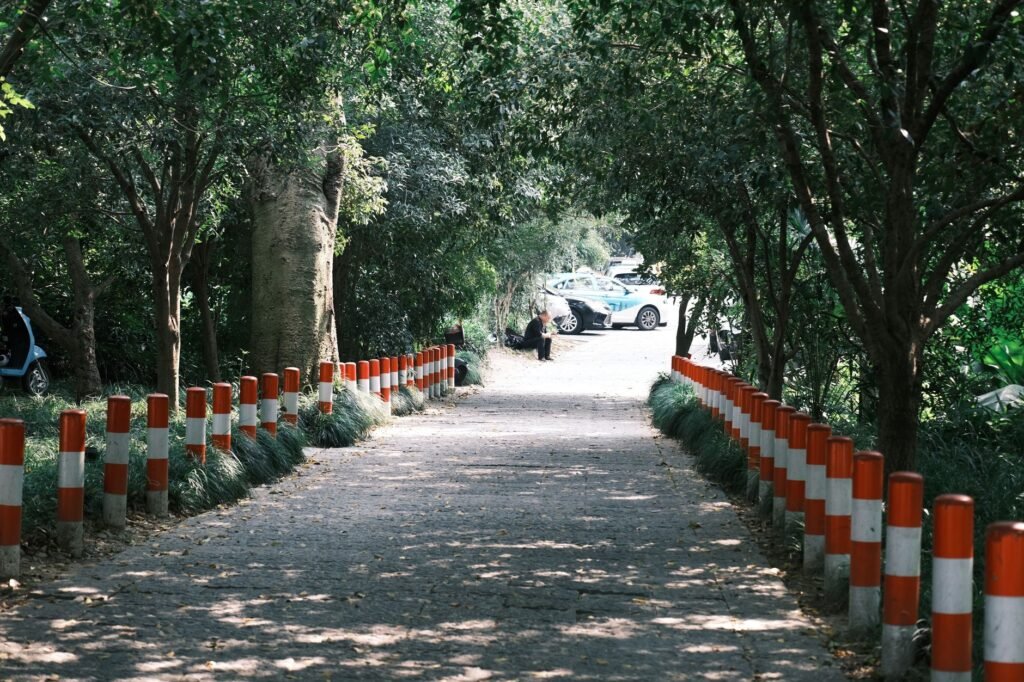
Navigating Modern Life and Romance in Parklands
For anyone looking to experience the true essence of Parklands today, the key lies in embracing both its historical roots and its modern adaptations. The neighborhood offers an ideal backdrop for those seeking genuine human interactions—whether that means finding a long-term partner, enjoying a casual one-night stand, or simply building a lively social circle. The proximity to vibrant nightlife zones ensures that romance and dating are never stagnant, offering endless opportunities to meet people from all walks of life.
Ultimately, Parklands stands as a testament to the idea that a neighborhood can modernize without losing its soul. By honoring its past while adapting to the needs of a contemporary urban population, it continues to provide a rich, multifaceted environment for everyone who walks its streets. As the city continues to grow outward toward regions like Clay City and inward toward the core, Parklands remains a timeless favorite—a place where the past and future meet in everyday life.





No one commented yet. Be the first.