

When we talk about the nature of experience—whether understood as a conscious event in the widest sense, a set of sensory perceptions, or simply the practical familiarity gained over time—we are looking at how human life unfolds through direct encounter. In a vibrant lakeside setting like Kisumu, this concept takes on distinct local colors. From the bustling energy of Kisumu CBD down to the serene waterfront breezes of Dunga, everyday life is a mosaic of moments, interactions, and environments that shape how residents and visitors perceive their surroundings.
Understanding what it means to encounter a place firsthand involves looking beyond quick impressions. Just as human experience serves as the ultimate source of practical knowledge, exploring a region requires a willingness to observe how communities function day in and day out. Whether you are navigating the commercial hubs or observing the subtle shifts in weather—such as the seasonal rains that sweep across the region—the texture of daily life here is deeply tied to geography and local rhythm.
Navigating the Urban and Suburban Tides
The landscape of Kisumu and its surrounding areas offers a varied tapestry of environments. Within Kisumu Central, the pace is brisk, driven by commerce, community gatherings, and the constant flow of people moving between shops, offices, and transport hubs. Moving outward toward areas like Westlands or the residential expanses of Kibos reveals a different side of the daily routine, where community ties run deep and the tempo slows down considerably.
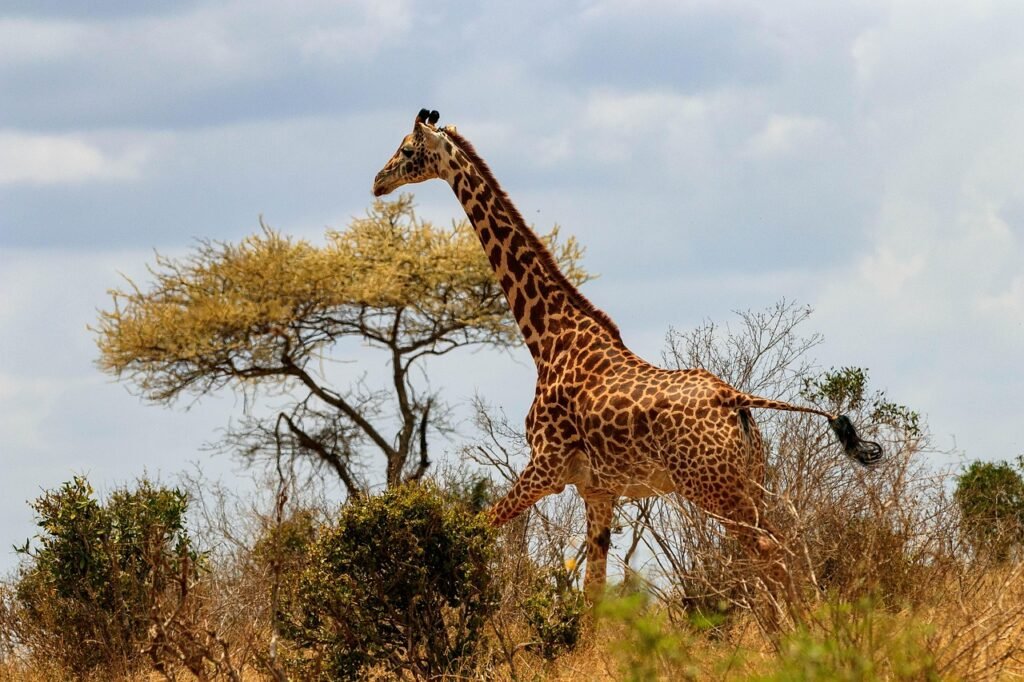
This diversity of settings influences how people live, work, and connect. For instance, a resident moving from the lively center out toward Kisumu West will notice distinct shifts in architecture, neighborhood pacing, and social interaction. Every corner of the wider municipality presents its own unique backdrop for personal encounters, whether that involves visiting a newly opened customer service center, engaging with local traders, or simply observing the shifting patterns of regional infrastructure.
The Rhythm of the Environment and Daily Life
Living and spending time in this part of the country also means attuning oneself to natural cycles. Meteorological patterns play a notable role in shaping daily routines, with periodic rains and cooler spells reminding everyone of the region’s connection to broader environmental conditions. These moments often prompt a shift indoors or alter travel plans, reinforcing the idea that our interactions with the world are constantly mediated by physical circumstances beyond our control.
Beyond the weather, local infrastructure and community developments add layers to the contemporary experience. From commercial expansions to scheduled utility updates, life here is a continuous process of adaptation. Residents learn to navigate temporary disruptions—such as localized power maintenance schedules—with a sense of routine familiarity that comes from long-term habitation.
Exploring Outlying Areas: From Ahero to Chemelil
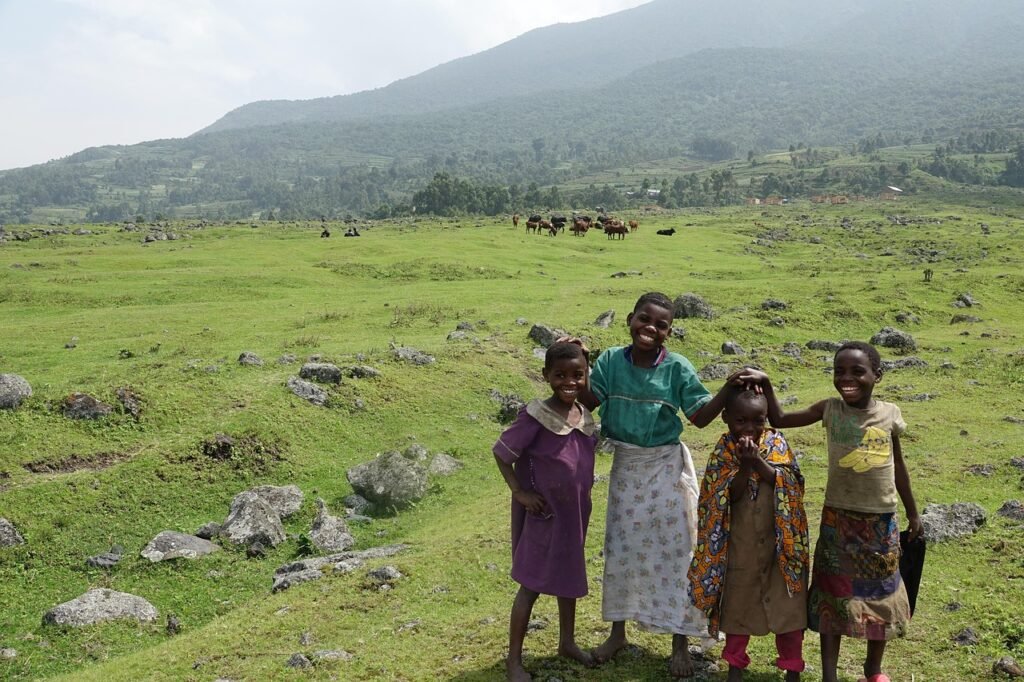
To truly appreciate the full scope of life around the lake basin, one must look beyond the immediate city limits. Venturing southeast brings you toward Ahero and Katito, where agricultural markets and roadside commerce paint a vivid picture of rural-urban linkages. These trading centers act as vital meeting points for farmers, traders, and travelers.
Further along, areas like Awasi and Chemelil offer a glimpse into the industrial and agricultural backbone of the region. Sugar plantations and cooperative farming shape the economic realities here, influencing everything from local employment to daily transit patterns. Each of these settlements—though distinct in character—contributes to the overarching narrative of what it means to live, work, and move through this dynamic part of western Kenya.
Ultimately, examining the options and realities of life in and around Kisumu reveals a landscape rich in variety. By paying attention to the details—from the quiet shores of Dunga to the bustling junctions of Katito—we gain a grounded, unhurried appreciation for the diverse ways human experience unfolds in this unique lakeside environment.





No one commented yet. Be the first.