

Dating and romantic relationship dynamics have undergone significant evolution, yet the core principles of building a meaningful connection remain timeless. In a bustling, rapidly growing urban node like Ruaka, modern relationship journeys reflect a fascinating blend of traditional expectations and contemporary pacing. When two individuals decide to transition from casual acquaintanceship into a deeper romantic arrangement, they embark on a deliberate phase of familiarization. This deliberate period allows partners to understand each other’s values, temperaments, lifestyle goals, and everyday realities before making any lifelong commitments. Far from being a rigid checklist, this exploratory phase is about discovering genuine compatibility amidst the rhythms of daily life in Kiambu County and its vibrant surrounding areas.
Navigating the early stages of a romantic connection in this region requires intentionality. Unlike fast-paced metropolitan hubs where interactions can sometimes feel transient, neighborhoods connected to the broader northern Nairobi metropolitan corridor value intentional bonding. Whether you are grabbing evening coffee near the Two Rivers area, taking a weekend stroll toward Banana Hill, or exploring quiet residential pockets closer to Gikambura, the setting often shapes how couples bond. Understanding what matters most during this critical developmental window helps partners align their intentions, manage expectations, and build a foundation capable of withstanding future challenges.
The Essence of Mutual Familiarity and Intentional Bonding
At its core, a developmental romantic phase serves as the bridge between casual dating and long-term commitments such as a potential marriage or a deeply committed partnership. During this window, couples focus on becoming thoroughly familiar with each other prior to making permanent life-altering decisions. This mutual discovery involves observing how a partner handles stress, communicates during disagreements, manages finances, and treats others in social environments. In communities stretching from the outskirts of Kabete all the way toward Githunguri, residents often emphasize the importance of shared values over fleeting attractions.
Becoming familiar with another person’s background, family dynamics, and personal ambitions takes time and patience. In practical terms, this means moving beyond superficial weekend outings to observe real-life problem-solving. When dating someone who frequently commutes or works across multiple districts—perhaps balancing business in busy hubs like Githurai or Kahawa Sukari with a quiet home life—logistics and scheduling also test a relationship’s resilience. Couples learn early on that successful pairing is not merely about romantic chemistry on a Friday night, but about reliable support systems, emotional safety, and mutual respect on an ordinary Tuesday morning.
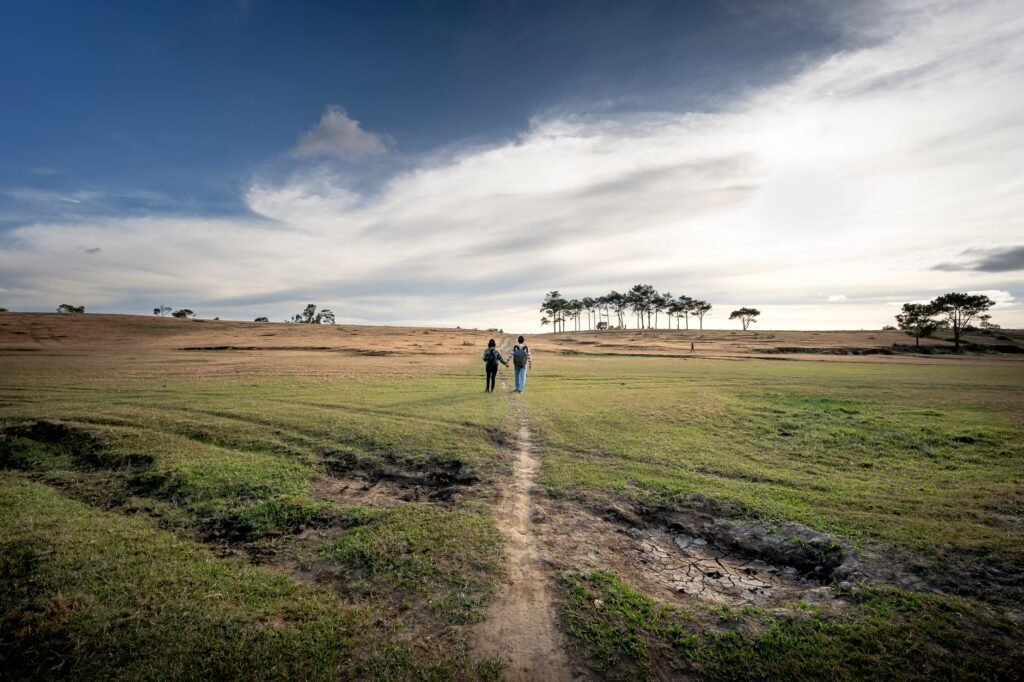
Furthermore, traditional and contemporary expectations frequently intersect in this part of Kenya. While some couples prefer an informal, private arrangement between themselves, others navigate varying degrees of family involvement, community awareness, and cultural considerations. Balancing personal autonomy with familial or community respect remains a delicate art. Couples who communicate openly about their long-term vision—whether that includes traditional ceremonies, religious alignment, or secular milestones—tend to build stronger, more transparent partnerships from the start.
Geographic Rhythms: How Local Environments Shape Romantic Connection
The physical environment plays a surprisingly influential role in how relationships develop. A couple residing in or frequently visiting Ruaka has access to a unique mix of urban conveniences and quieter suburban retreats. This geographical versatility allows partners to tailor their shared experiences according to their collective mood and relationship stage. For instance, a quiet afternoon drive toward Gatundu South or Gatundu North offers a refreshing escape from commercial congestion, providing an ideal backdrop for deep, uninterrupted conversations about the future.
Similarly, couples expanding their social horizons often find themselves traveling through diverse neighboring localities. A weekend visit to meet friends or family in Kahawa Wendani or Kamakis introduces new social dynamics, allowing partners to observe how their significant other interacts within different community settings. Observing adaptability across various locales—whether navigating the lively markets of Githurai or enjoying a serene weekend retreat near Juja—offers invaluable insight into a partner’s character and comfort levels.
Geography also dictates everyday practicalities. Commuting patterns between remote residential zones and commercial centers can test a couple’s patience and time management. Understanding how a partner handles delays, traffic bottlenecks along northern transit routes, or shifting professional demands reveals much about their emotional maturity. Ultimately, the local landscape provides a living canvas where relationships are tested, nurtured, and refined through shared lived experiences.

Core Pillars Supporting a Lasting Committed Relationship
While external environments and cultural backgrounds provide context, the success of any serious romantic partnership ultimately relies on internal pillars. Communication sits at the apex of these requirements. Expressing needs clearly, listening without immediate defensiveness, and resolving conflicts constructively form the bedrock of sustainable intimacy. In a society where individual ambitions and family expectations must often be carefully balanced, transparent dialogue prevents resentment from taking root.
Another critical element is emotional accountability. Both partners must be willing to examine their own flaws, past baggage, and emotional triggers rather than projecting them unfairly onto the relationship. Trust is built incrementally through consistency, honesty, and emotional availability. When challenges arise—be it financial strain, career transitions, or health concerns—couples who approach difficulties as a unified team rather than opposing adversaries are far better equipped to weather the storms of life.
Finally, maintaining individual identity while cultivating a shared life is essential. A healthy romantic union does not require two people to merge completely into a single entity; rather, it encourages mutual growth where both individuals support each other’s personal goals, hobbies, and professional pursuits. By respecting each other’s autonomy while fiercely protecting their shared bond, couples create a resilient partnership capable of evolving gracefully over the decades.





No one commented yet. Be the first.