

When discussing the social fabric of Tudor, nightlife and communal spaces have always occupied a unique, vibrant corner of the local landscape. Over the years, the ways in which people gather, unwind, and build connections have undergone subtle yet profound shifts. A club in Tudor is no longer merely a physical building with a door policy and a sound system; it represents a shifting intersection of lifestyle, social networking, and community expectation. To understand how these spaces have evolved, one must look at both the physical transformations within Tudor itself and the changing expectations of the patrons who walk through the doors week after week.
Historically, communal venues across the broader coastal region—stretching from the bustling avenues of Mombasa CBD out toward Kongowea and Likoni—relied heavily on traditional formats. People would meet regularly for a common purpose, whether to catch up on local news, enjoy music, or participate in organized social groups. In Tudor specifically, venues operated with a clear distinction between daytime routines and nighttime escapades. Patrons knew what to expect: familiar faces, standard pricing models, and traditional entry structures. Yet, as urban dynamics have shifted, modern venues have adapted to mirror trends seen in neighboring zones like Kisauni, Mtwapa, and Changamwe, where modern amenities and multi-functional spaces are reshaping how people spend their leisure time.
The Shift in Atmosphere, Amenities, and Venue Layouts
One of the most noticeable changes in the modern Tudor club experience is the physical layout and the integration of diverse lifestyle services. Traditional establishments used to focus exclusively on standard seating arrangements and a dance floor. Today, competition and changing consumer tastes have driven venues to adopt multi-functional designs. Many spots now incorporate wellness elements, dedicated lounging zones, and flexible social areas that cater to daytime professionals just as effectively as they serve late-night revelers.
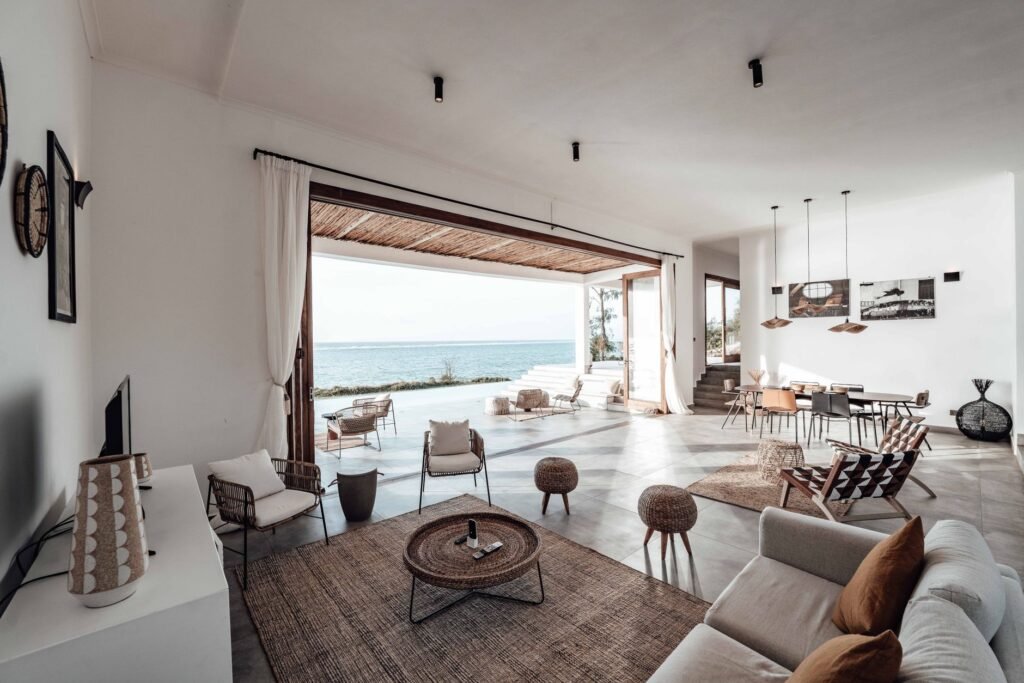
This evolution mirrors developments seen further inland and along the corridors connecting Miritini, Jomvu, and Mikindani, where commercial spaces are increasingly designed to offer dual purposes. Rather than just offering a place to stand and listen to music, contemporary venues emphasize community integration, premium comfort, and curated experiences. Patrons expect more than a basic setup; they look for venues that provide seamless digital connectivity, comfortable seating, and environments that support both high-energy socializing and relaxed conversation. At the same time, classic elements have persevered. The core desire for human connection, shared laughter, and a reliable weekend escape remains completely unchanged, anchoring these modern upgrades in traditional social habits.
Membership Models, Pricing, and Accessibility
Another area experiencing noticeable evolution is how venues manage access, fees, and member loyalty. In the past, entry into a local club was straightforward: a simple cover charge at the door or a casual guest list. While that model still exists for spontaneous weekend outings, many modern establishments across the region—extending their influence from Buxton and Bamburi down to the heart of Tudor—have introduced tiered membership options and structured pricing plans.
These updated frameworks often provide regular visitors with distinct perks, such as priority access during peak hours, reduced show fees, or unlimited entry to special themed events. For regular patrons who meet frequently to take part in community gatherings or niche interest groups, these structured tiers offer better value and a sense of belonging. However, this shift has also sparked local conversations about affordability and exclusivity. Striking a balance between low prices for casual visitors and premium perks for dedicated members is a delicate tightrope that venue operators in Tudor must walk carefully to keep their doors welcoming to a diverse crowd.

What Has Remained Unchanged: The Heart of Community Connection
Despite physical renovations, technological upgrades, and changing business models, the fundamental heartbeat of a club in Tudor has stayed remarkably resilient. At its core, a club is—and has always been—an organization or gathering of people brought together by a common purpose or interest. Whether individuals are gathering to discuss shared passions, enjoy weekend nightlife, or simply find a familiar face after a long work week, the human element remains paramount.
When comparing Tudor to vibrant nearby hubs like Mombasa CBD, Kongowea, or the bustling coastal strip of Mtwapa, the underlying social motivations are identical. People crave spaces where they can let down their guard, build authentic friendships, and escape the pressures of daily life. Trends will continue to cycle through, architectural styles will modernize, and entry structures will adapt to economic realities, but the foundational need for a welcoming local gathering spot will never go out of style.





No one commented yet. Be the first.