
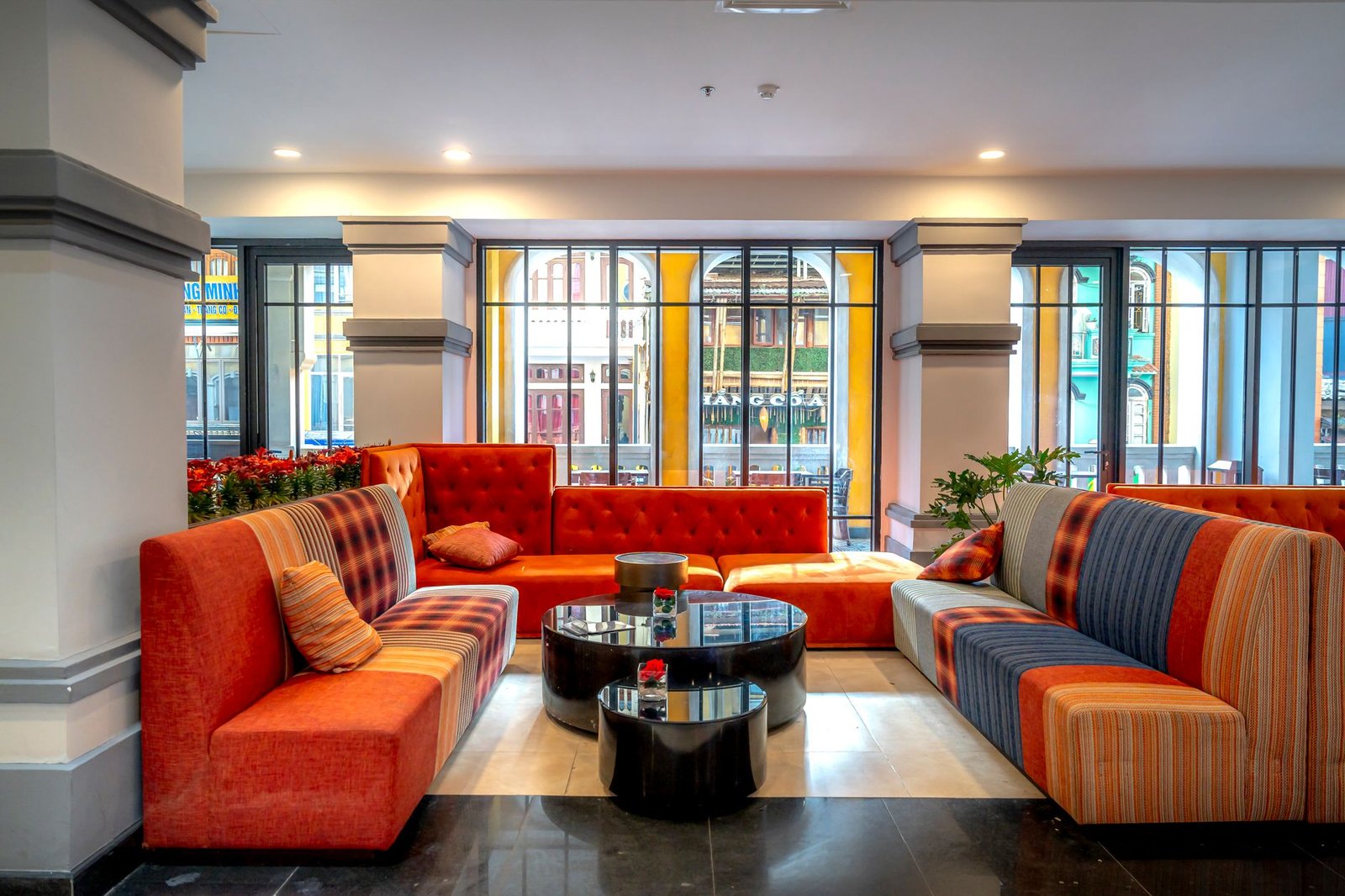
When heading out for a memorable evening, the venue you choose sets the entire tone of the night. Whether you are looking for a lively social hub to catch up with old friends, an energetic weekend destination, or a quiet corner booth to spark a new romantic connection, the magic often lies in the overlooked micro-elements. In a growing residential and commercial corridor like Kimumu, the local nightlife scene thrives on intimate details. From the initial welcome at the door to the temperature of the beverages and the seamless flow of the crowd, paying attention to the finer aspects of a club experience transforms an ordinary night out into something remarkable.
Across the wider region—stretching from bustling hubs down toward Eldoret CBD and out toward quiet suburban pockets like Elgon View and Kapsoya—patrons are becoming increasingly discerning. They do not just want a dark room with loud music; they want an atmosphere where they feel comfortable, secure, and valued. This expectation is just as true when exploring local spots closer to Kimumu as it is when visiting venues situated near Langas or navigating the edges of Maili Nne. Understanding what elevates a local establishment requires examining the exact elements that patrons notice first, even if they cannot always articulate them on the spot.
The Power of First Impressions: Entrance Flow and Arrival Details
The journey of a great night out begins long before you step onto the dance floor or order your first drink. It starts at the threshold. A well-managed club in Kimumu understands that the entrance sets the psychological tone for everything that follows. When security checks are handled efficiently and respectfully, guests immediately feel secure without feeling interrogated. Poorly organized lines, confusion over cover charges, or abrupt door staff can deflate excitement before the evening even begins.

Furthermore, lighting and signage at the approach matter immensely. Patrons navigating from nearby areas such as Annex or Kapseret appreciate clear, welcoming entryways that guide them smoothly from the street into the venue’s interior. Once inside, the transition space—often a transitional foyer or a transitional bar area—acts as a decompression zone. It allows guests to shed the stress of the day, adjust their eyes to the ambient lighting, and take in the room’s energy before diving into the social swirl. Establishments that invest in thoughtful entryway design consistently create a more relaxed and open crowd, setting the stage for genuine conversations and effortless hook-ups.
Lighting, Sound, and Spatial Layout: Engineering the Right Vibe
Once you are past the doors, the physical environment takes over. It is easy to assume that a club simply needs a powerful sound system and flashing lights, but the reality is far more nuanced. The best venues balance acoustic energy with spatial intimacy. If the music is so loud that patrons have to shout directly into each other’s ears just to exchange basic pleasantries, the social dynamic collapses. People come to a club with a common purpose or interest—whether it is enjoying contemporary music, meeting new people, or simply unwinding—and the acoustic architecture must support that interaction.
Lighting plays an equally critical role in shaping mood and comfort. Overly harsh overhead lighting destroys the mysterious, relaxed ambiance that adults seek when looking for romance or a casual one-night stand. Conversely, pitch-black rooms can feel disorienting and unsafe. Striking the right balance involves warm, directional lighting over seating areas combined with subtle, dynamic accents across the bar and dance floor. Forward-thinking venue operators in surrounding zones like Cheptiret or Ainabkoi often experiment with these zoning techniques, ensuring that the energetic heart of the club remains vibrant while peripheral seating booths offer enough privacy for meaningful eye contact and fluid conversation.
Service Speed, Drink Quality, and Personal Touch
Nothing kills the momentum of a great evening faster than a neglected drink order or an indifferent bartender. In a competitive social environment, service quality is the ultimate differentiator. Patrons evaluating a venue in Kimumu notice whether bartenders maintain eye contact, handle orders accurately during peak hours, and keep the bar surface clean. The physical details of beverage presentation—such as properly chilled glassware, fresh garnishes, and accurate pours—signal professional respect for the customer.
Beyond technical execution, the human element of service creates lasting loyalty. A friendly nod from a floor host, a security team that looks out for solo patrons without being intrusive, and waitstaff who remember a repeat visitor’s preferences build an environment of trust. This atmosphere of psychological safety is particularly vital for individuals exploring dating opportunities, casual encounters, or looking to meet prospective girlfriends in a relaxed public setting. When people feel looked after, their guard drops, opening the door to natural, unforced chemistry.
Curating the Crowd: Shared Interests and Social Chemistry
A club is ultimately defined by the people who fill its space. While walk-in traffic is part of any nightlife ecosystem, the most successful venues cultivate a distinct identity that attracts a compatible crowd. Whether it is an interest centered around live DJ sets, themed genre nights, or simply a shared appreciation for upscale social lounging, alignment in expectations prevents awkward friction on the floor.
When venues curate events that resonate with local tastes—drawing crowds not just from Kimumu but also attracting curious visitors from Burnt Forest or Kesses—the energy becomes magnetic. People want to take part in an evening where the social energy feels electric yet welcoming. By focusing on these micro-details—from door management and sound engineering to staff attentiveness and crowd curation—venues elevate themselves from ordinary drinking dens into essential pillars of the local social fabric.
Explore locally





No one commented yet. Be the first.