

Experience is more than a dictionary entry; it is the living thread that stitches together memory, perception, and action. In the bustling corridors of Eastleigh, a suburb of Nairobi known for its vibrant markets and multicultural tapestry, experience takes on a tangible shape. Residents and visitors alike learn, feel, and grow through the everyday encounters that define the neighbourhood. By unpacking the layers of what experience means—philosophically, psychologically, and socially—we can see how Eastleigh serves as a laboratory for conscious events, practical knowledge, and personal transformation.
Understanding Experience: Definitions and Dimensions
At its core, experience is the process of doing, seeing, and feeling things, as noted in several linguistic sources. It can refer to a single spectacular event—a sudden rainstorm that floods a street—or to the accumulated knowledge that comes from years of navigating the same market stalls. The Cambridge English Dictionary emphasizes that the best way to learn is “by experience,” highlighting the active, participatory nature of the concept.
Scholars distinguish between two broad senses. The first is sensory consciousness: the raw data of sight, sound, touch, taste, and smell that our brains register. The second is the practical wisdom that emerges when those sensations are reflected upon, stored in memory, and later applied to new situations. This duality explains why a newcomer to Eastleigh may initially feel overwhelmed by the cacophony of languages, yet over time develops an intuitive sense of where the freshest produce is sold or which shop offers the friendliest service.
Experience also functions as a verb. When we say we “experience” something, we are acknowledging that an event has happened to us, shaping our understanding. In Eastleigh, the act of experiencing is visible in the daily rhythm of street vendors arranging their wares, commuters hurrying to the bus depot, and families gathering for evening meals. Each of these moments contributes to a collective narrative that is both personal and communal.
Eastleigh’s Everyday Canvas of Experience
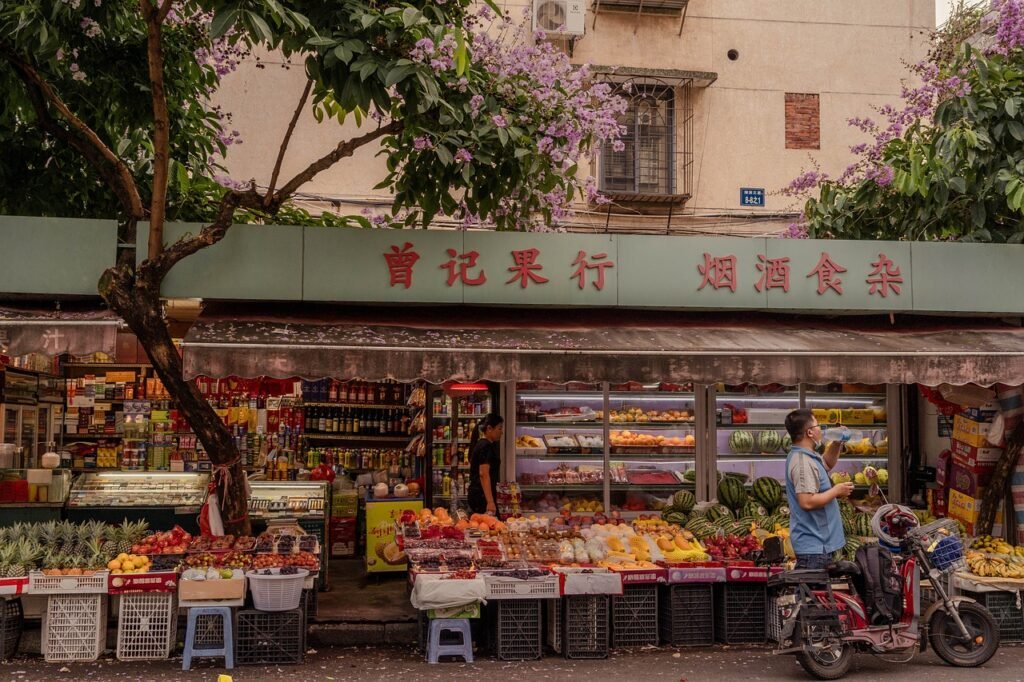
Eastleigh is a microcosm of Kenya’s broader cultural mosaic. Its streets echo with Swahili, Arabic, Somali, and English, creating a linguistic soundscape that challenges and enriches the senses. The market, often described as a living museum, offers a sensory overload: the aroma of spiced kebabs, the bright colours of woven fabrics, the rhythmic bargaining that feels like a dance. For a newcomer, these are conscious events that demand attention; for a long‑time resident, they become familiar patterns that inform decisions.
Beyond the market, the neighbourhood’s social infrastructure—mosques, churches, community centres—provides spaces where experience is shared and reflected upon. Youth groups in Eastleigh often organise workshops on digital literacy, turning the abstract idea of “learning by experience” into concrete sessions where participants troubleshoot real‑world problems on their phones. These gatherings illustrate how experience can be deliberately cultivated, not merely passively endured.
Economic activity also shapes experience. Small‑scale entrepreneurs in Eastleigh navigate a fluid regulatory environment, learning through trial and error how to manage inventory, negotiate with suppliers, and comply with municipal requirements. Their stories echo the broader truth that experience is both a personal archive and a communal resource, as seasoned traders mentor newcomers, passing on practical wisdom that textbooks cannot capture.
Comparative Glimpses: How Neighboring Areas Shape Experience
Eastleigh does not exist in isolation. Its experiences are constantly contrasted with those of nearby districts, each offering distinct flavors of urban life. In Westlands, for instance, the high‑rise office towers and upscale restaurants create a different experiential palette—one dominated by corporate culture, polished interiors, and a faster pace of networking. Residents who commute between Westlands and Eastleigh often report a shift in perception, noting how the informal, community‑centric atmosphere of Eastleigh feels more grounding after a day in the sleek corridors of Westlands.
Adams Arcade, a historic shopping centre a short drive away, offers a nostalgic experience rooted in Nairobi’s colonial past. Its narrow aisles and vintage storefronts evoke a sense of time travel, contrasting sharply with Eastleigh’s modern, bustling market stalls. Visitors who wander from Eastleigh to Adams Arcade frequently comment on the change in sensory input: from the vibrant street chatter to the hushed tones of antique dealers.
Buruburu, known for its well‑planned residential blocks, provides a quieter, more suburban experience. The leafy streets and communal playgrounds encourage a slower, reflective pace, allowing families to engage in outdoor activities that differ from the densely packed streets of Eastleigh. Yet, the proximity of these areas means that residents often blend experiences—shopping for electronics in Buruburu, then heading to Eastleigh for fresh produce.
The Central Business District (CBD) represents the pulse of Nairobi’s economic engine. Its towering skyscrapers and traffic congestion create an experience defined by urgency and ambition. For Eastleigh’s entrepreneurs, a trip to the CBD may involve navigating complex logistics, but it also offers exposure to broader market trends that can be brought back to the local community.
Clay City, Dagoretti, and Dandora each add further layers. Clay City’s industrial vibe introduces residents to the gritty reality of manufacturing, while Dagoretti’s agricultural outskirts provide a contrast of green fields and farm‑to‑table experiences. Dandora, often highlighted in news for waste management challenges, offers a sobering reminder of environmental stewardship, prompting community groups in Eastleigh to organize clean‑up drives and educational workshops.
Donholm and Embakasi, with their mix of residential estates and transport hubs, illustrate how mobility shapes experience. Frequent commuters from Eastleigh to Embakasi’s airport experience the transition from local market sounds to the roar of aircraft, expanding their sensory horizons. Meanwhile, Fedha’s emerging commercial zones present opportunities for new business ventures, encouraging Eastleigh’s entrepreneurs to experiment with fresh product lines.
Garden Estate and Gigiri, home to diplomatic missions and upscale residences, introduce a global dimension. International visitors staying in Gigiri often venture into Eastleigh to sample authentic cuisine, thereby creating a cross‑cultural exchange that enriches both parties’ experiences.
Cultivating Meaningful Experience in Eastleigh
Understanding experience is only the first step; the next is to harness it for personal and communal growth. Several initiatives already illustrate how Eastleigh is turning experience into a catalyst for development.
Community‑Led Learning Workshops
Local NGOs have introduced skill‑sharing sessions where seasoned traders teach newcomers about inventory management, digital payments, and customer service. These workshops embody the principle that experience is best transmitted through direct, hands‑on interaction rather than abstract instruction.
Inclusive Arts Projects
Inspired by a national program that enabled blind individuals to experience photography, a community centre in Eastleigh launched a tactile art project. Participants create textured mosaics that convey the sounds and smells of the market, allowing both sighted and visually impaired residents to share a common experiential language.
Environmental Stewardship Drives
In response to waste challenges observed in Dandora, Eastleigh’s youth groups organize monthly clean‑up events. By experiencing the impact of litter first‑hand, participants develop a deeper appreciation for sustainable practices, turning a negative observation into a positive communal habit.
These examples demonstrate that experience, when consciously reflected upon, can become a source of empowerment. Whether it is learning a new trade, appreciating cultural diversity, or protecting the environment, the act of experiencing fuels a feedback loop: each encounter informs the next, creating a dynamic, evolving community.
Conclusion: The Ongoing Journey of Experience
Eastleigh’s story is a testament to the multifaceted nature of experience. From the sensory overload of its bustling market to the quiet lessons learned in community workshops, every moment contributes to a collective archive of knowledge and feeling. By comparing Eastleigh with neighboring districts such as Westlands, Adams Arcade, and Buruburu, we see how geographic context shapes, challenges, and enriches those experiences.
Ultimately, experience is not a static definition but a living process—one that thrives on conscious engagement, reflection, and the willingness to learn from both triumphs and setbacks. In Eastleigh, the streets themselves are classrooms, the market stalls are laboratories, and the people are both teachers and students. Embracing this dynamic can help residents and visitors alike turn everyday encounters into lasting wisdom.





No one commented yet. Be the first.