

Exploring the realities, experiences, and social dynamics of being female in Mombasa offers a fascinating window into one of East Africa’s most vibrant coastal hubs. From the historical alleyways of the Old Town to the bustling commercial districts of Mombasa CBD, daily life is shaped by a unique blend of traditional Swahili heritage, Islamic cultural influences, and rapid modernization. Understanding the diverse experiences of women and girls across this coastal city requires looking at everything from biological and anatomical definitions to socio-economic participation, education, and professional milestones.
Mombasa is not a monolith; rather, it is a mosaic of distinct neighborhoods and communities. A resident navigating daily routines in the northern suburbs of Bamburi or Buxton experiences a different urban rhythm compared to someone living in the mainland industrial zones of Changamwe, Jomvu, or Miritini. Similarly, coastal communities in Likoni, Kisauni, Kongowea, and Mikindani each contribute distinct cultural threads to the broader urban fabric. Across all these areas, women form the backbone of community life, commerce, and family structures, balancing traditional expectations with contemporary ambitions.
Biological Foundations and General Conceptions
At a fundamental biological level, the designation of female applies across much of the natural world to organisms that produce the larger reproductive gamete, known as the ovum or egg cell. In human biology, the anatomy of a female encompasses the human female reproductive system, including ovaries, fallopian tubes, the uterus, vagina, and vulva. Genetic characteristics typically involve having two X chromosomes, with sexual differentiation governed largely by the absence of a functioning SRY gene. Furthermore, mammalian biology features characteristic secondary structures such as mammary glands.
Beyond strict biological classification, the term intersects with social science, linguistics, and anthropology. Etymologically, the word entered English during the 14th century, evolving from Middle English spellings like femel and femelle, which traced back through Old French and Latin roots linked to youth and womanhood. In modern sociological contexts, gender identity often correlates with a complex, variable set of social and cultural roles, traits, and behaviors assigned to individuals based on biological sex. While some clinical definitions lean heavily on biological markers, daily usage often expands to encompass broader cultural dimensions of womanhood, femininity, and individual identity.
Navigating Neighborhoods: Community Life Across Mombasa
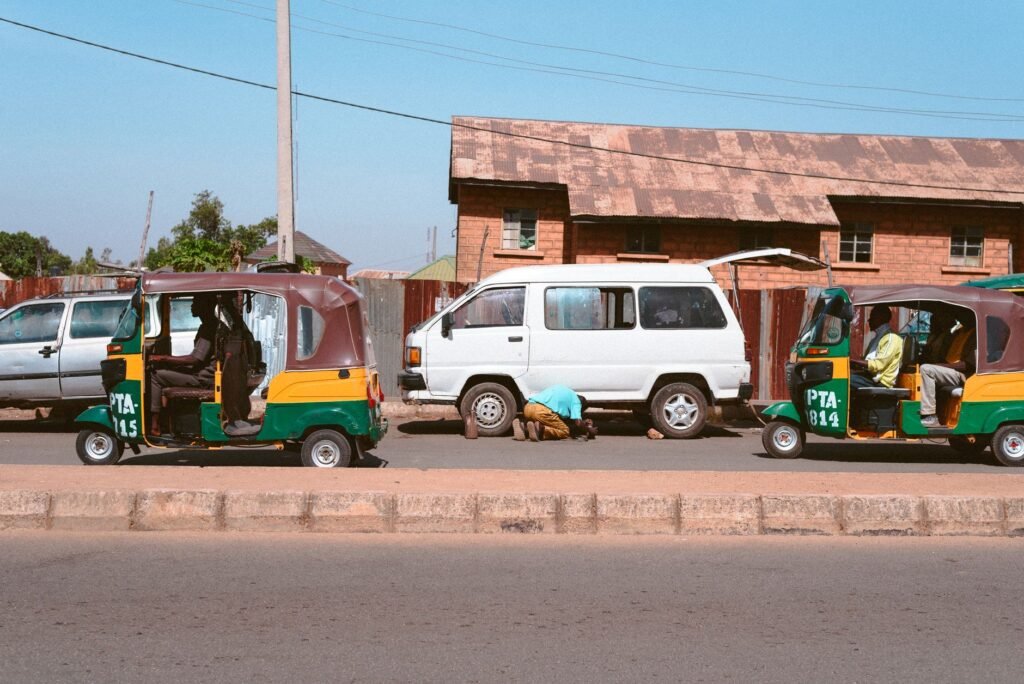
Life for women in Mombasa varies significantly depending on geography and infrastructure. In the bustling commercial hub of Mombasa CBD, professional women, entrepreneurs, and students navigate busy office spaces, retail centers, and transport nodes. The rhythm here is fast-paced, reflecting the city’s status as a premier international port and tourist destination. Moving outward toward Kongowea, home to one of the largest open-air markets in the region, commerce takes on a different character. Female traders and vendors form the economic heartbeat of Kongowea market, managing intricate supply chains, agricultural produce, and retail goods that feed households across the county.
Residential areas present their own unique environments. In Bamburi and Buxton, residential neighborhoods accommodate a mix of young families, working professionals, and students. These areas offer established community spaces, schools, and local markets where social networks thrive. Meanwhile, densely populated settlements in Kisauni and Likoni present distinct socioeconomic realities. Women in these sectors frequently lead grassroots community initiatives, self-help groups, and micro-enterprises that support household resilience against economic challenges. Public transport, security, and access to localized healthcare remain vital daily considerations for residents in these high-density zones.
On the western and mainland approaches to the city, areas like Changamwe, Jomvu, Mikindani, and Miritini play crucial logistical roles. As transport corridors connecting the port to the rest of the country, these neighborhoods experience heavy industrial and transport activity. Women living and working in these transit-heavy zones often engage in retail, small-scale manufacturing, and administrative services, contributing to the industrial workforce that keeps the coastal economy moving.
Breaking Barriers: Professional Milestones and Leadership
In recent years, the professional landscape for women in Mombasa and across the broader Kenyan coast has undergone notable transformations. Historically constrained by patriarchal traditions, women in the region are increasingly breaking glass ceilings in fields previously dominated by men, ranging from heavy engineering to specialized medicine and public administration.
A prime example of this shifting professional paradigm is visible along major transport arteries like the Mombasa–Nairobi transport corridor, where infrastructure modernization projects have opened new career pathways. Female professionals have stepped into critical technical and operational roles, such as train dispatchers and transport coordinators, challenging outdated assumptions about physical and technical labor. Similarly, in the medical field, trailblazers have overcome immense socioeconomic hurdles to achieve historic milestones, such as becoming the first female surgeons serving regional medical facilities in Mombasa. These achievements serve as powerful inspirations for younger generations of girls growing up in local neighborhoods, proving that specialized education and determination can overcome systemic barriers.
Public leadership and civic participation have also evolved. Whether through grassroots advocacy, county-level governance, or corporate leadership, women are demanding and securing seats at decision-making tables. Discussions surrounding representation at national and regional levels—including milestones such as pioneering female vice-presidential candidacies and gubernatorial leadership—reflect a wider cultural shift. Society is increasingly recognizing that inclusive governance and economic development depend heavily on the full participation of female citizens.
Culture, Tradition, and Modern Adaptations
Mombasa’s rich cultural heritage is deeply intertwined with Swahili traditions, Islamic customs, and coastal aesthetics. For women, this heritage manifests in distinctive attire, culinary arts, marriage ceremonies, and community gatherings. Traditional practices often emphasize familial honor, hospitality, and communal solidarity. At the same time, younger generations are actively negotiating the boundaries between traditional expectations and modern individual freedoms.
Education plays a central role in this ongoing negotiation. Access to secondary and tertiary education has expanded significantly, empowering young women to pursue independent careers, financial autonomy, and leadership roles before marriage or family planning. NGOs, women’s rights organizations, and local community groups actively work to address persistent challenges, such as gender-based violence, economic marginalization, and educational dropouts. Through mentorship programs and vocational training centers established in various wards, women are equipping themselves with practical skills ranging from digital literacy to financial management.
Conclusion
The experience of being female in Mombasa is characterized by resilience, cultural richness, and progressive transformation. From the bustling market stalls of Kongowea and the residential lanes of Buxton and Bamburi to high-level professional sectors across Mombasa CBD and the transport hubs of Miritini and Changamwe, women continue to shape the destiny of the coastal region. By balancing ancestral traditions with modern education, entrepreneurship, and leadership, female residents are redefining their roles in society and building a more equitable future for the entire community.