
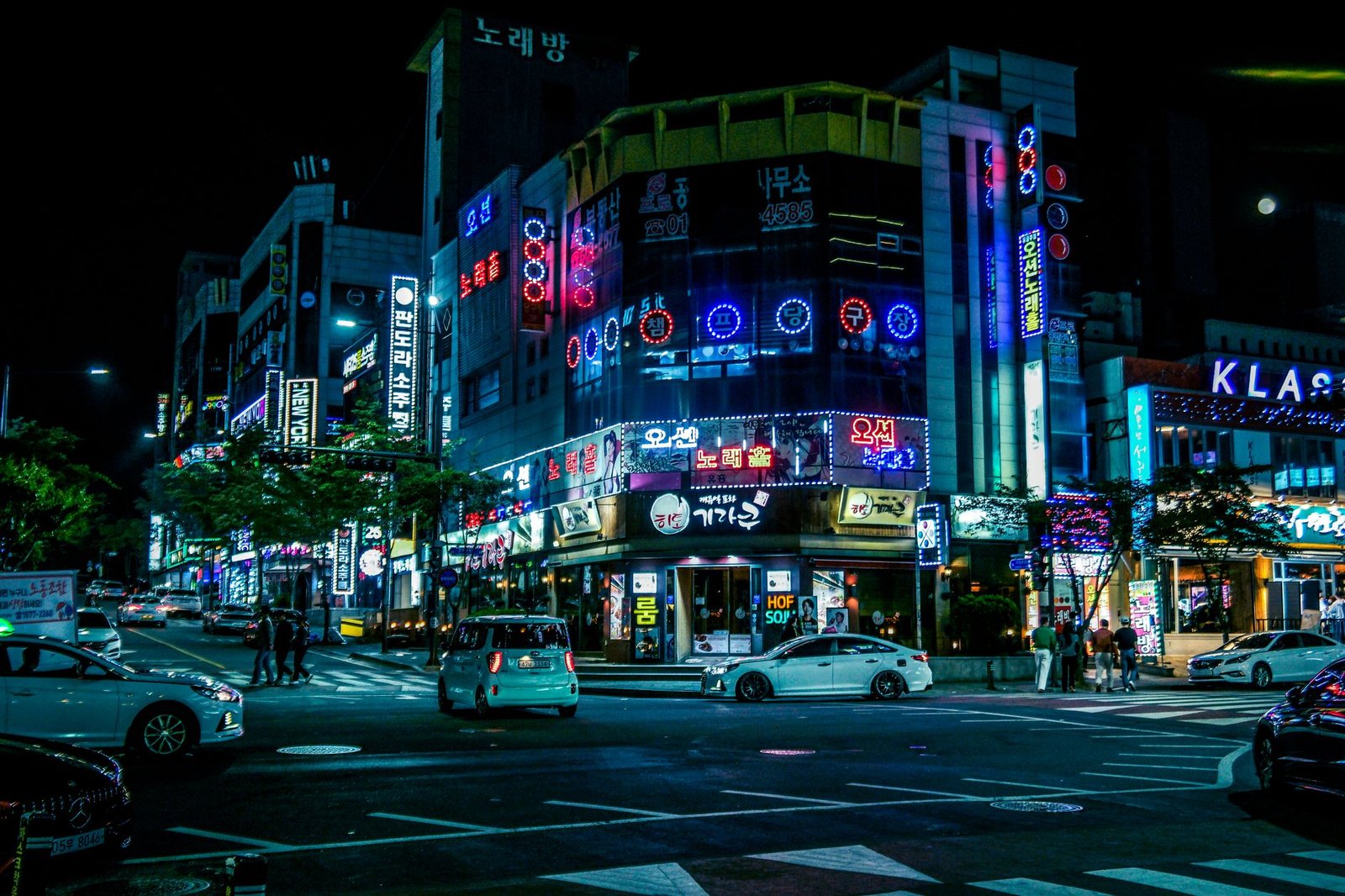
When the sun dips low over the horizon, casting long shadows across Nairobi, the urban energy shifts in a familiar, magnetic rhythm. For residents and adventurous urbanites alike, after-dark excursions are more than just a way to unwind; they are an essential cultural expression. While the metropolitan capital boasts endless entertainment districts—stretching from the bustling neon-lit avenues of Westlands and the high-energy lounges of the CBD to the residential hum of Buruburu and Donholm—there is a distinct, localized heartbeat found right in South B. As modern social expectations evolve, the night life here is undergoing a fascinating transformation, driven by shifting tastes, economic realities, and a collective desire for more intimate, engaging communal spaces.
Understanding the current trends shaping South B’s nocturnal scene requires looking at how nightlife has matured over the years. Gone are the days when a successful evening out simply meant finding the loudest music and the cheapest drinks. Today’s patrons are increasingly discerning, seeking out venues that offer tailored experiences, secure environments, and a genuine sense of community. This shift mirrors broader metropolitan patterns seen in vibrant pockets like Adams Arcade, Eastleigh, and Embakasi, where patrons balance a craving for novelty with a deep appreciation for neighborhood familiarity. South B sits at a unique crossroads: it is close enough to the downtown core to catch the spillover of fast-paced city trends, yet insulated enough to maintain its own deeply personal, community-driven identity.
The Evolution of Social Spaces: From Rowdy Pubs to Boutique Lounges
One of the most notable trends reshaping the evening landscape in South B is the steady evolution of the traditional local pub. For generations, neighborhood bars served as straightforward watering holes where patrons gathered to catch football matches or share a quick round. While these classic establishments still hold a cherished place in the community, they are rapidly modernizing to keep pace with changing consumer preferences. Business owners are investing in upgraded sound systems, sophisticated ambient lighting, and more comfortable, sectioned seating arrangements designed to facilitate genuine conversation rather than just background noise.
This pivot toward boutique lounges and experiential spaces is not happening in a vacuum. Similar transformations are rippling through neighboring hubs like Fedha, Dagoretti, and Clay City, where venue operators realize that modern revelers want an atmosphere that feels distinct and intentional. In South B, this translates to spaces that seamlessly transition from relaxed early-evening dining spots into lively social hubs as the clock ticks past midnight. Craft beverage selections, locally inspired cocktail menus, and curated weekend DJ sets featuring everything from classic Benga loops to contemporary urban beats have become standard expectations rather than rare luxuries.

Moreover, the curation of space has become paramount. Patrons are increasingly mindful of crowd dynamics, safety, and comfort. Lounge operators in the area are placing a stronger emphasis on professional security, well-managed parking facilities, and attentive service. This emphasis on a hassle-free, high-comfort evening out has made South B an attractive alternative for people who might otherwise trek all the way to Westlands or navigate the heavy traffic toward Garden Estate and Dandora just to find a reliable spot to unwind.
The Rise of Themed Events and Social Mixers
Beyond physical venue upgrades, the very nature of how people interact during a night out has shifted dramatically. Social matchmaking gatherings, interactive trivia nights, and themed cultural events have surged in popularity across Kenya’s urban centers. South B has eagerly embraced this wave, moving away from passive drinking toward active, participatory entertainment.
These curated events cater to a demographic that values intentional networking and authentic connection. Whether it is an open-mic poetry night celebrating local literary talent, a throw-back vinyl listening session, or structured singles mixers designed to help urban singles meet outside of digital dating apps, the focus is squarely on shared experiences. This trend taps into a broader cultural yearning for community in an increasingly digital world. Similar community-centric evening programming has gained traction in residential and commercial nodes such as Buruburu, Donholm, and even further afield in places like Clay City.
For South B residents, these themed nights provide a refreshing break from monotonous routines. They create safe, structured environments where diverse groups of people can mingle, exchange ideas, and forge new friendships or romantic connections. Event organizers are utilizing social media platforms not just for basic marketing, but to build micro-communities around specific musical genres, fashion subcultures, and artistic expressions, ensuring that every weekend brings something distinct to the neighborhood.
Economic Shifts and the Democratization of Entertainment
No discussion of contemporary night life would be complete without acknowledging the economic realities shaping consumer behavior. Financial prudence has intersected with the desire for leisure, giving rise to smarter, more flexible spending habits among night-out enthusiasts. People are no longer willing to empty their wallets on overpriced, generic experiences; instead, they demand value, authenticity, and memorable moments for every shilling spent.
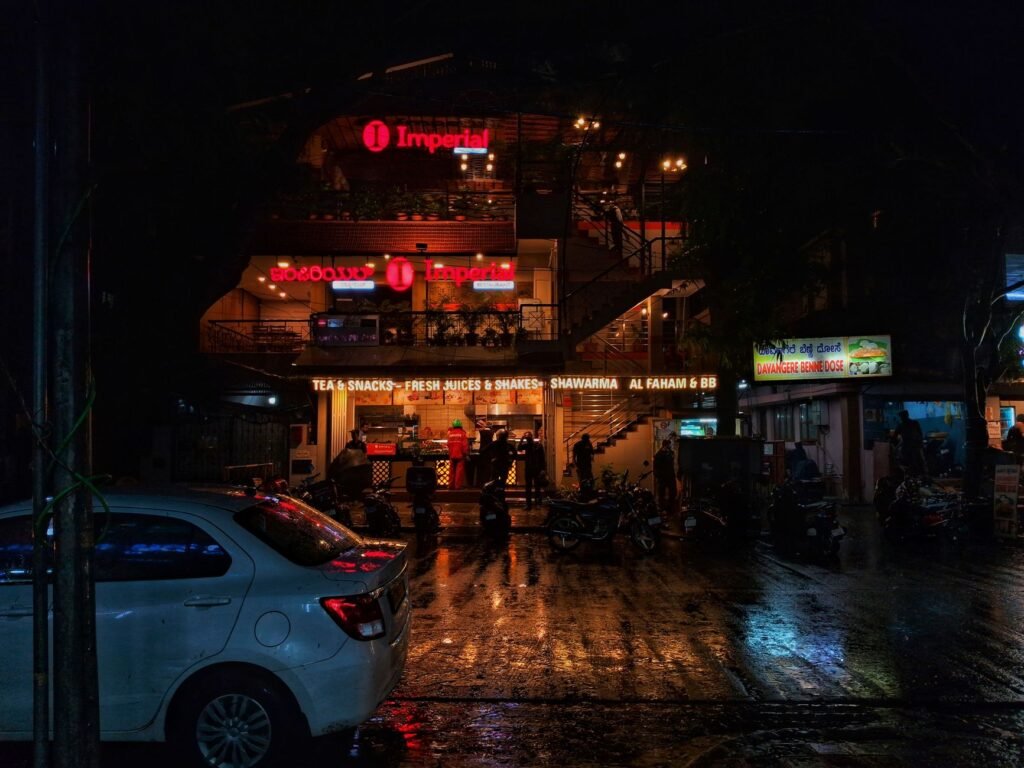
This economic pragmatism has led to the democratization of entertainment in areas like South B, Adams Arcade, and Eastleigh. Mid-tier establishments are thriving by offering targeted happy hours, localized promotional nights, and collaborative partnerships with local food vendors. The traditional separation between a restaurant, a bar, and an entertainment spot continues to blur. Gastro-pubs and pop-up food markets operating well into the early morning hours allow patrons to combine culinary exploration with social nightlife, maximizing both utility and enjoyment.
Furthermore, local entrepreneurs are championing homegrown talent, from up-and-coming mixologists crafting signature cocktails with indigenous ingredients to resident DJs who understand the exact musical pulse of the neighborhood crowd. This inward-looking creativity not only supports the local economy but also insulates South B’s nightlife scene from external economic shocks, keeping it vibrant, resilient, and fiercely original.
Looking Ahead: The Future of South B’s Evening Culture
As Nairobi continues its rapid expansion, the pressure on traditional entertainment zones will only intensify. Yet, South B has demonstrated a remarkable capacity to adapt without losing its soul. By prioritizing community comfort, diversifying event offerings, and listening closely to the evolving demands of its residents, the neighborhood has carved out a sustainable, exciting niche in the capital’s broader nocturnal ecosystem.
The trends currently shaping South B—ranging from boutique lounge transformations and interactive social events to value-driven, community-focused entertainment—point toward a mature night life culture. It is a scene that respects its past while boldly experimenting with its future, proving that a great night out does not always require traveling across the entire city. For anyone looking to experience the authentic, shifting pulse of modern urban leisure, South B after dark offers a compelling window into the future of Kenyan social life.