

When we talk about the fabric of everyday life, what we are truly discussing is an accumulation of moments, perceptions, and interactions that shape our understanding of a place. In the vibrant settlement of Nyalenda, situated near the bustling shores of Lake Victoria, the rhythm of daily existence offers a rich tapestry of human encounters. Far removed from the sterile predictability of planned suburban developments, Nyalenda pulses with a dynamic energy that makes every day unique. To truly grasp what it means to spend time here, one must look beyond brief impressions and examine how community, trade, and local rhythms weave together.
Life in Nyalenda does not exist in a vacuum; it is deeply connected to the broader geographical and cultural landscape of the region. A short journey away brings one into the heart of Kisumu Central and the commercial hum of Kisumu CBD, where administrative offices, bustling markets, and modern retail spaces offer a sharp contrast to the intimate, community-driven alleys of Nyalenda. Yet, residents frequently traverse these boundaries. Whether commuting for work or trade, the daily movement between Nyalenda and Kisumu East or Kisumu West demonstrates how interconnected these local neighborhoods truly are. Understanding this localized ecosystem requires patience and an open mind, as the area’s true character reveals itself slowly through casual conversations at local kiosks, the sounds of children playing after school, and the steady hum of commerce that defines the wider urban fringe.
The Texture of Everyday Life and Community Dynamics
At its core, human experience is built on sensory perception and practical familiarity with one’s surroundings. In Nyalenda, this translates to a deeply sensory environment. The morning air often carries the scent of roasting maize and freshly brewed chai from neighborhood breakfast spots, while the sounds of bicycles, footing commuters, and localized trade set an energetic tempo. Unlike quieter, more isolated settlements such as Dunga—known primarily for its serene lakeside fishing culture—Nyalenda maintains a dense, industrious atmosphere where neighbors know one another and social bonds provide a crucial safety net.
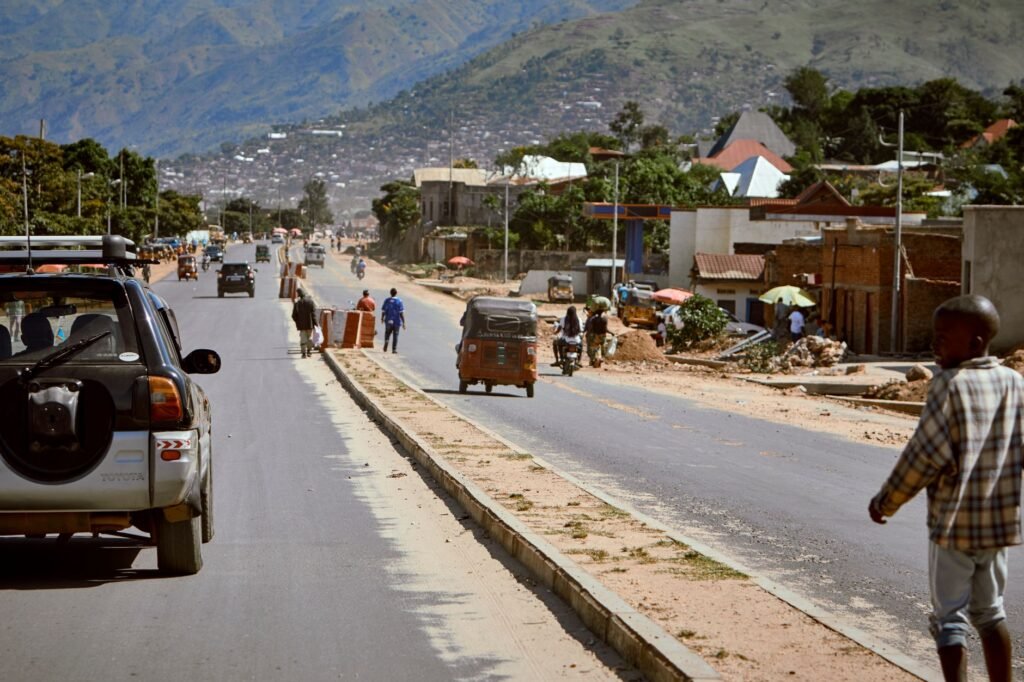
This sense of shared space extends outward toward surrounding locales. For instance, travelers and traders moving inland toward Ahero or passing through Awasi often bring news, goods, and cultural exchanges that influence local commerce. Similarly, connections with nearby areas like Chemelil and Katito ensure a steady flow of agricultural produce and regional trade into the wider urban orbit. Within Nyalenda itself, these macroeconomic threads manifest on a micro-scale: small-scale shopkeepers, artisans, and service providers adapt continuously to the changing needs of their customers, creating a resilient local economy driven by direct interaction rather than corporate detachment.
Balancing Urban Proximity and Local Identity
One of the most fascinating aspects of spending time in Nyalenda is observing how residents balance the proximity of a major urban center with the distinct identity of an informal settlement. While places like Kibos and Kombewa offer their own unique rural-urban transitions—Kibos with its agricultural and industrial heritage, and Kombewa with its quieter lakeside administrative charm—Nyalenda remains intensely urban in its density and social pacing. Yet, it retains a village-like solidarity where community initiatives and grassroots support systems play a vital role in daily survival and community enhancement.
When evaluating what makes this area distinct, observers often note that the value of any place lies in the depth of engagement it permits. A superficial drive-through reveals only crowded thoroughfares and bustling storefronts. However, taking the time to engage with local artisans, share a meal at a neighborhood eatery, or listen to elders recount the history of the settlement transforms the perception entirely. The experience shifts from mere observation to genuine participation in a living, breathing community.

Reflections on Growth and Regional Connectivity
Looking at Nyalenda within the context of the wider region highlights the ongoing transformation of how people live, work, and connect. As infrastructure improves across the entire expanse connecting Kisumu Central, Kisumu CBD, and outlying trading posts, residents of settlements like Nyalenda find themselves better positioned to access broader educational and economic opportunities. Yet, despite these external shifts, the soul of the neighborhood remains rooted in its interpersonal connections.
Ultimately, experiencing Nyalenda is an exercise in understanding resilience, adaptability, and the warmth of human community. It invites visitors and researchers alike to look past generalized stereotypes and appreciate the intricate, daily realities that define life in one of the region’s most dynamic neighborhoods. By embracing this nuanced perspective, one gains a far deeper appreciation for the rich diversity of human life thriving just beneath the surface of East Africa’s bustling urban landscapes.